
US Digestive Supplements Market Size and Share
Market Overview
| Study Period | 2021 - 2031 |
|---|---|
| Forecast Data Period | 2026 - 2031 |
| Base Year Market Size (2025) | USD 3.95 Billion |
| Market Size (2026) | USD 4.16 Billion |
| Market Size (2031) | USD 5.38 Billion |
| Growth Rate (2026 - 2031) | 5.27 % |
| Market Concentration | Medium |
Major Players *Disclaimer: Major Players sorted in no particular order Image © Mordor Intelligence. Reuse requires attribution under CC BY 4.0. | |
US Digestive Supplements Market Analysis by Mordor Intelligence
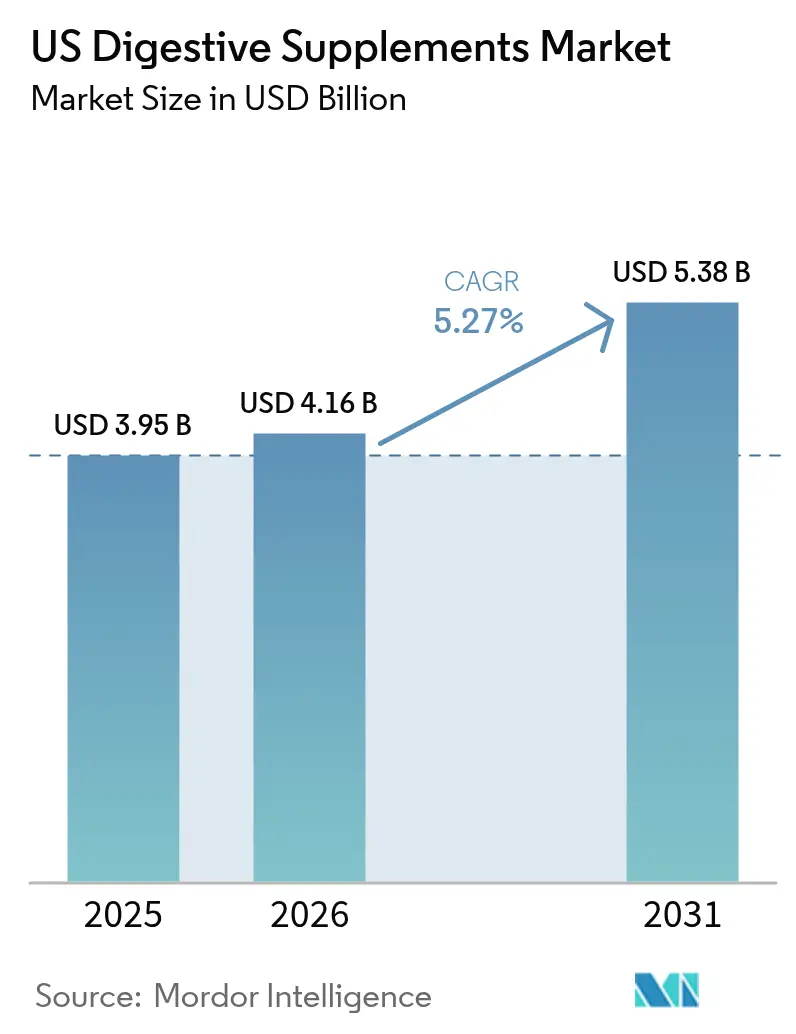
The United States digestive supplements market size is expected to grow from USD 3.95 billion in 2025 to USD 4.16 billion in 2026 and is forecast to reach USD 5.38 billion by 2031 at 5.27% CAGR over 2026-2031. The growth trajectory rests on an aging population, widespread recognition of gut health as a linchpin of systemic wellness, and the normalization of self-directed preventive care. Demand intensifies as consumers seek non-prescription solutions for irritable bowel syndrome (IBS), gastroesophageal reflux disease (GERD), enzyme insufficiencies, and diet-related discomfort. Mainstream retailers now dedicate shelf space to clinically validated probiotic and enzyme formulations, while digital platforms accelerate education and discovery. Heightened regulatory vigilance by the U.S. Food and Drug Administration (FDA) tempers expansion yet simultaneously improves category credibility, encouraging larger multinationals to deploy acquisition capital and research resources.
Key Report Takeaways
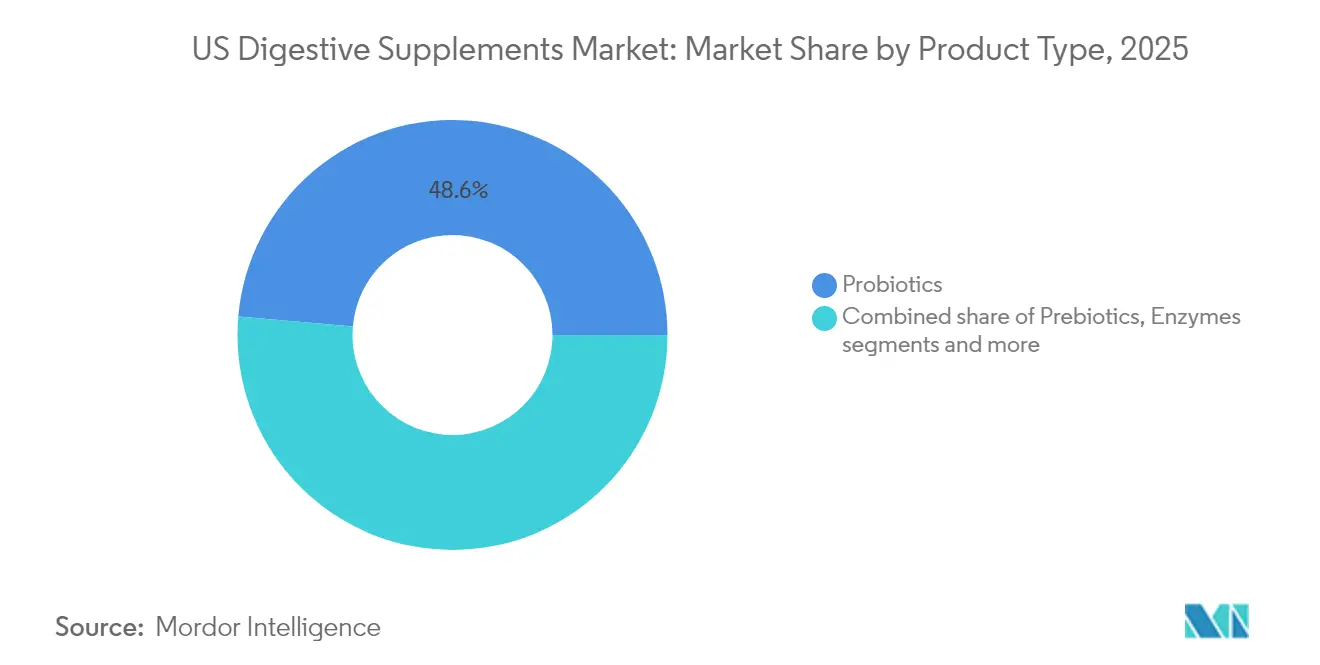
- By type, probiotics led with 48.63% of the United States digestive supplements market share in 2025, while enzymes are forecast to grow at a 5.78% CAGR through 2031.
- By form, capsules captured 40.88% of 2025 revenue, and gummies and chewables are projected to expand at a 6.21% CAGR to 2031, outpacing capsules.
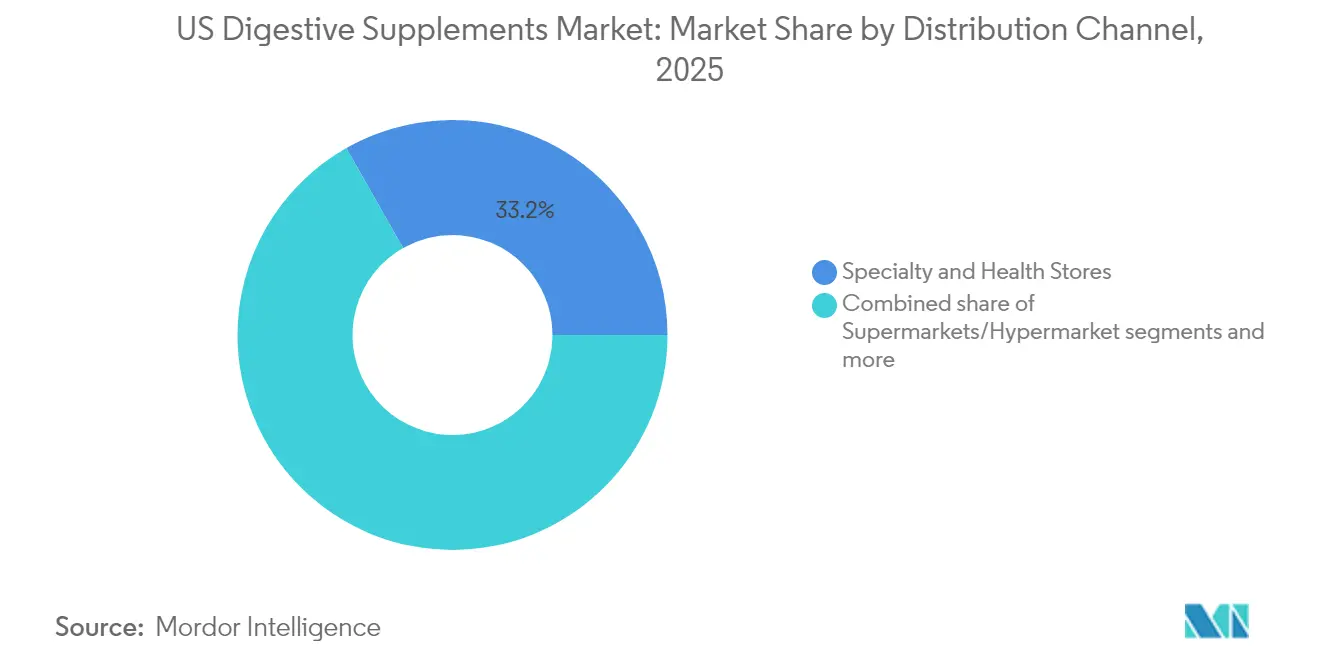
- By distribution, specialty and health stores held 33.22% of 2025 sales; online retailers are slated for a 7.53% CAGR through 2031.
Note: Market size and forecast figures in this report are generated using Mordor Intelligence’s proprietary estimation framework, updated with the latest available data and insights as of 2026.
Market Trends and Insights
Drivers Impact Analysis of US Digestive Supplements Market*
| Driver | (~) % Impact on CAGR Forecast | Geographic Relevance | Impact Timeline |
|---|---|---|---|
| Increasing Prevalence of Digestive Disorders Like IBS, GERD, And Lactose Intolerance Boosts Growth | +1.2% | National, with higher concentrations in urban areas | Long term (≥ 4 years) |
| Rising Consumer Awareness of the Gut Microbiome's Role in Immunity and Mental Health | +0.9% | Global, with early adoption in coastal regions | Medium term (2-4 years) |
| High Demand for Probiotics and Enzyme Supplements for Bloating and Indigestion | +0.8% | National, particularly among women aged 19-45 | Short term (≤ 2 years) |
| Growing Use of Digestive Aids Among Aging Adults with Slower Metabolism | +0.7% | National, concentrated in states with aging populations | Long term (≥ 4 years) |
| Rising Interest in Clean-Label, Plant-Based Digestive Formulations | +0.5% | Urban centers and health-conscious demographics | Medium term (2-4 years) |
| Enhanced Digestive Health Awareness Through Digital Media Platforms Adds to Its Growth | +0.4% | National, strongest among Gen Z and Millennials | Short term (≤ 2 years) |
| Source: Mordor Intelligence | |||
Increasing Prevalence of Digestive Disorders Like IBS, GERD, And Lactose Intolerance Boosts Growth
The increasing prevalence of digestive disorders, such as Irritable Bowel Syndrome Gastroesophageal Reflux Disease, and lactose intolerance, is significantly driving the growth of the United States digestive supplements market. According to the National Institute of Diabetes and Digestive and Kidney Diseases, approximately 60 to 70 million people in the United States are affected by digestive diseases annually [1]. IBS alone impacts 10-15% of the adult population according to American College of Gastroenterology [2]. This growing patient population has led to a heightened demand for digestive supplements that can alleviate symptoms, improve nutrient absorption, and enhance overall gut health. Furthermore, government initiatives, such as the U.S. Food and Drug Administration's (FDA) regulation of dietary supplements under the Dietary Supplement Health and Education Act (DSHEA), ensure product safety and efficacy, thereby encouraging consumer trust. These factors, combined with increasing awareness campaigns about digestive health, are expected to further support market growth during the forecast period.
Rising Consumer Awareness of the Gut Microbiome's Role in Immunity and Mental Health.
Consumers in the United States are increasingly recognizing the critical role of the gut microbiome in supporting immunity and mental well-being. This growing awareness is driving demand for digestive supplements, as individuals seek products that promote gut health and overall wellness. The connection between gut health and its impact on the immune system, as well as mental health, has been highlighted by ongoing research and media coverage. Studies have shown that a balanced gut microbiome can enhance immune responses, reduce inflammation, and improve mood regulation, further emphasizing the importance of maintaining gut health. Additionally, the rising prevalence of digestive disorders, coupled with the increasing adoption of healthier lifestyles, is encouraging consumers to explore supplements that address these concerns. The availability of innovative products, such as probiotics, prebiotics, and enzyme-based supplements, is also contributing to market growth. This trend is expected to continue influencing the market, as consumers prioritize preventive health measures and look for solutions that address these specific health concerns. Furthermore, the growing focus on personalized nutrition and the integration of gut health into broader wellness strategies are likely to sustain the momentum in this market during the forecast period.
High Demand for Probiotics and Enzyme Supplements for Bloating and Indigestion.
The market is witnessing significant growth, driven by the increasing demand for probiotics and enzyme supplements. These supplements are gaining popularity as effective solutions for managing bloating and indigestion, which are common digestive issues faced by a large segment of the population. Probiotics, known for their ability to restore gut flora balance, and enzyme supplements, which aid in breaking down food for better digestion, are becoming essential components of dietary routines. According to the Council for Responsible Nutrition Survey 2023, nearly 74% of adults in the United States reported using dietary supplements, including digestive supplements [3]. This data highlights the widespread adoption of such products among consumers. The rising awareness about gut health and its impact on overall well-being is further fueling this demand. Additionally, the growing preference for natural and preventive healthcare solutions is encouraging consumers to adopt these supplements. This trend is expected to play a pivotal role in shaping the growth trajectory of the United States digestive supplements market during the forecast period.
Growing Use of Digestive Aids Among Aging Adults with Slower Metabolism
The increasing use of digestive aids among aging adults is a significant driver of the market. As individuals age, their metabolic rate tends to decline, leading to slower digestion and a higher likelihood of gastrointestinal discomfort. This demographic shift has resulted in a growing demand for digestive supplements that can alleviate these issues and support overall digestive health. Products such as probiotics, prebiotics, and enzyme-based supplements are gaining traction among older adults seeking to maintain a healthy digestive system. Additionally, the rising awareness of the benefits of digestive health products, coupled with the increasing prevalence of age-related digestive disorders, is further propelling the market's growth. Manufacturers are responding to this trend by introducing targeted formulations and easy-to-consume formats, catering specifically to the needs of the aging population. This dynamic is expected to continue driving the market during the forecast period.
Restraints Impact Analysis of US Digestive Supplements Market*
| Restraint | (~) % Impact on CAGR Forecast | Geographic Relevance | Impact Timeline |
|---|---|---|---|
| Limited FDA Approval and Standardization Across Digestive Supplement Products | -0.8% | National, affecting all manufacturers | Long term (≥ 4 years) |
| Supply Chain Vulnerabilities Leading to Product Adulteration and Potency Degradation | -0.6% | National, with urban markets experiencing highest competition | Medium term (2-4 years) |
| Consumer Price Sensitivity Restricting Premium Supplement Adoption | -0.4% | National, concentrated in lower-income segments | Short term (≤ 2 years) |
| Market Growth Constraints Due To Competition from Natural Remedies | -0.3% | Urban areas with health-conscious consumers | Medium term (2-4 years) |
| Source: Mordor Intelligence | |||
Limited FDA Approval and Standardization Across Digestive Supplement Products
In the United States digestive supplements market, regulatory complexity acts as a significant restraint on growth. The FDA's position that no traditional probiotics qualify for drug approval status, despite increasing clinical evidence supporting their therapeutic applications, creates a challenging environment for companies. This regulatory stance generates uncertainty for businesses seeking to make health claims, as they must navigate stringent requirements and unclear pathways for approval. Additionally, the FDA's planned reorganization in 2025, which includes the elimination of 170 positions from the Office of Inspections and Investigations, raises concerns about the agency's ability to maintain effective oversight. This reduction in staffing could potentially hinder the regulatory process, further complicating the market landscape. However, the FDA continues to enforce strict standards for new dietary ingredient notifications and structure-function claims, adding another layer of complexity for market participants. These regulatory challenges collectively constrain the growth potential of the United States digestive supplements market.
Supply Chain Vulnerabilities Leading to Product Adulteration and Potency Degradation
Quality control failures pose significant risks to market growth, as evidenced by FDA warnings about dietary supplements substituted with toxic yellow oleander and contaminated with undeclared pharmaceutical ingredients like omeprazole and diclofenac.The Botanical Adulterants Prevention Program identifies widespread dilution of herbal ingredients, where manufacturers reduce costs by diluting extracts with inactive compounds, compromising product efficacy and consumer trust. International supply chain dependencies create vulnerability, with multiple FDA warning letters issued to Indian and Chinese manufacturers for cGMP violations including inadequate cleaning procedures, contamination risks, and falsified documentation. Product recalls continue to impact market confidence, with recent actions including male enhancement supplements contaminated with undeclared pharmaceutical compounds and spermidine supplements containing undeclared wheat allergens
*Our forecasts treat driver/restraint impacts as directional, not additive. The impact forecasts reflect baseline growth, mix effects, and variable interactions.
US Digestive Supplements Market Segment Analysis
By Type:
Probiotics Dominate While Enzymes AccelerateIn the United States digestive supplements market, probiotics maintain a leading position with a 48.63% market share in 2025. This dominance is attributed to extensive clinical validation supporting their efficacy and the growing consumer familiarity with the benefits of a healthy gut microbiome. Probiotics are widely recognized for their role in improving digestive health, boosting immunity, and addressing various gastrointestinal issues, such as irritable bowel syndrome (IBS) and diarrhea. The increasing availability of probiotic supplements in various forms, including capsules, powders, and functional foods, has further contributed to their widespread adoption.
Enzymes, on the other hand, are emerging as the fastest-growing segment in the market, with a projected CAGR of 5.78% through 2031. This growth reflects the increasing recognition of enzymes' therapeutic applications in managing digestive disorders, such as lactose intolerance, pancreatic insufficiency, and gluten sensitivity. Enzyme supplements are gaining traction due to their ability to aid in the breakdown of complex food molecules, improving nutrient absorption and alleviating digestive discomfort. The rising awareness of enzyme-based supplements among healthcare professionals and consumers, coupled with advancements in enzyme formulations tailored to specific digestive needs, is expected to fuel their adoption during the forecast period.

By Form:
Gummies Transform Supplement ExperienceCapsules continue to dominate the United States digestive supplements market, holding a significant 40.88% market share in 2025. Their popularity stems from the strong consumer perception of their efficacy and pharmaceutical-grade quality, which reinforces trust in their use. Capsules are widely regarded as a reliable delivery format for digestive supplements, offering precise dosage and stability. Additionally, their compatibility with a broad range of active ingredients makes them a preferred choice among manufacturers and consumers alike. This format remains a cornerstone of the market, catering to individuals seeking effective and trusted solutions for digestive health.
Gummies and chewables are emerging as the fastest-growing segment in the United States digestive supplements market, with a projected CAGR of 6.21% through 2031. These formats are gaining traction due to their convenience and palatability, making them particularly appealing to consumers who struggle with swallowing pills. Gummies and chewables eliminate the pill-swallowing barrier, which is a common concern among adults, and offer a more enjoyable way to consume supplements. Their innovative and flavorful formulations further enhance consumer acceptance, positioning them as a key growth driver in the market. This segment reflects a shift in consumer preferences toward more user-friendly and enjoyable supplement options.
By Distribution Channel:
E-commerce Disrupts Traditional RetailSpecialty and health stores held a major market share of 33.22% in 2025. These stores continue to attract health-conscious consumers by offering expert consultations and a curated selection of products. Their ability to provide personalized recommendations and premium formulations positions them as a trusted source for individuals seeking tailored solutions to their digestive health needs. Additionally, the in-store experience allows customers to engage directly with knowledgeable staff, fostering trust and loyalty among their target audience. Specialty and health stores also benefit from their ability to showcase premium brands and niche products that may not be readily available through other channels, further solidifying their appeal to consumers who prioritize quality and exclusivity.
Online retailers, on the other hand, are experiencing the highest growth trajectory in the market, with a notable 7.53% CAGR projected through 2031. These platforms are revolutionizing how consumers discover, research, and purchase digestive supplements by offering enhanced product information, customer reviews, and the convenience of subscription services. The digital space enables consumers to compare products, access detailed descriptions, and read peer reviews, empowering them to make informed purchasing decisions. Furthermore, the ease of home delivery and the availability of a wide range of options make online retailers an increasingly popular choice for consumers prioritizing convenience and accessibility.
Geography Analysis
In the United States, the digestive supplements market varies by region, influenced by demographics, healthcare access, and cultural views on preventive wellness. Coastal areas and urban centers are at the forefront, embracing premium and innovative formulations. California and New York, with their dense populations and health-conscious consumers, dominate the market. These states prioritize organic, clean-label products and are willing to invest in scientifically validated formulations. Meanwhile, the Southeast, particularly Florida, is witnessing a surge in growth. This uptick is largely attributed to an aging demographic and a heightened awareness of gut health benefits. Florida's significant 65+ population drives a consistent demand for enzyme supplements and digestive aids, especially those addressing age-related metabolic changes.
Rural markets are ripe for expansion. With the rise of telehealth and e-commerce, specialized digestive health products—once exclusive to metropolitan health food stores—are now accessible to rural consumers. In the Midwest, there's a notable uptick in probiotic adoption. This trend is largely influenced by agricultural communities, who have long understood fermentation processes, and a growing acknowledgment of microbiome science, thanks to university extension programs and healthcare provider education. Texas stands out as a burgeoning market, fueled by its population growth and diverse demographics. Notably, there's a rising adoption of digestive wellness products among the Hispanic community, blending traditional herbal remedies with contemporary probiotic and enzyme formulations.
Healthcare infrastructure plays a pivotal role in market dynamics. States boasting a higher concentration of gastroenterologists and functional medicine practitioners witness a pronounced adoption of supplements. This trend is bolstered by healthcare providers endorsing these products as complementary therapies for digestive disorders. The Pacific Northwest, with its emphasis on clean-label and sustainable products, is steering the demand towards plant-based formulations. The region's commitment to environmental stewardship and natural health is evident in its preference for eco-friendly packaging.
Value Chain Analysis
The value chain for digestive supplements in the United States starts with sourcing functional inputs such as live microbial strains (probiotics), non-digestible carbohydrates (prebiotics), microbial and animal-derived enzymes, and botanicals. Raw materials are converted through fermentation or extraction, then processed through downstream steps such as stabilization, standardization, and blending, before being formulated into finished-dose formats including capsules, tablets, powders, and gummies and chewables. Many brands operate asset-light models that depend on contract development and manufacturing organizations (CDMOs) for formulation, encapsulation, and packaging, followed by distribution through specialty and health stores (a major 2025 channel) and rapid scaling via online retailers that expand SKU breadth, subscriptions, and education-led discovery.
Quality, compliance, and stability management are the main operational gates across the chain, especially for live microbes and multi-ingredient blends where potency can degrade. Recent capability investments suggest manufacturers are tightening control over identity and viability, including Vitaquest opening a dedicated probiotics manufacturing suite for live cultures in February 2026 to improve control and stability. Supply-chain risk also concentrates upstream, where imported inputs and complex botanical sourcing can increase variability, so supplier qualification, testing, and traceability become central to maintaining cGMP compliance and consistent label claims from production through last-mile fulfillment.
Competitive Landscape
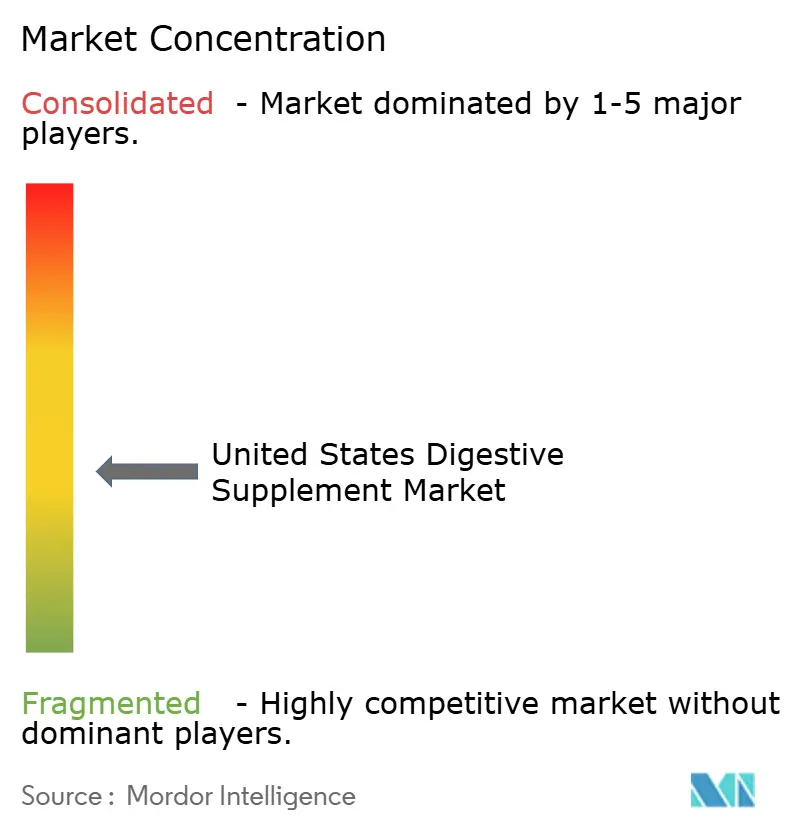
The United States digestive supplements market demonstrates moderate fragmentation, allowing both established pharmaceutical companies and emerging wellness brands to compete effectively by employing differentiated strategies. Major players such as Bayer, Pfizer, and Procter & Gamble leverage their extensive distribution networks, strong brand recognition, and advanced clinical research capabilities to maintain a dominant presence. These companies focus on offering a wide range of products targeting various digestive health concerns, ensuring they cater to a broad consumer base and sustain their competitive edge in the market.
On the other hand, emerging brands like Grüns Supplements and Bioma are disrupting traditional market dynamics by adopting innovative approaches. These companies capitalize on direct-to-consumer business models, which enable them to build closer relationships with their customers and offer personalized solutions. Additionally, they utilize social media platforms to engage with younger demographics, creating brand awareness and loyalty through targeted marketing campaigns. Their focus on innovative delivery formats, such as gummies and powders, further differentiates their offerings and aligns with the preferences of modern consumers seeking convenience and ease of use.
The competitive landscape of the U.S. digestive supplements market is further shaped by the diverse strategies employed by these players to address specific consumer needs and therapeutic applications. Established companies continue to invest in research and development to introduce clinically proven products, while emerging brands emphasize agility and innovation to capture niche segments. This dynamic interplay between traditional and disruptive players fosters a competitive environment, driving growth and innovation in the market. As a result, the market remains highly attractive, with opportunities for both established and new entrants to expand their presence and cater to evolving consumer demands.
US Digestive Supplements Industry Leaders
-
Haleon PLC
-
NOW Foods Inc.
-
Amway Corporation
-
Procter & Gamble Company
-
Pfizer Inc.
- *Disclaimer: Major Players sorted in no particular order
US Digestive Supplements Market Companies Covered in this Report
- Amway Corporation
- Haleon PLC
- NOW Foods Inc.
- Nordic Naturals
- The Procter & Gamble Company
- Life Extension Foundation Buyers Club, Inc.
- Reckitt Benckiser Group plc
- Nestle S.A.
- Bayer AG
- BioGaia AB
- Gaia Herbs, Inc.
- Otsuka Pharmaceutical Co., Ltd
- Codeage LLC
- DSM-Firmenich AG
- MRO MaryRuth, LLC
- Pfizer Inc.
- Swanson Health Products
- Metagenics, LLC
- The Nue Co.
- 21st Century HealthCare, Inc.
Market Opportunities and Future Outlook
Opportunities in the US digestive supplements market center on products and operating models that reduce trust gaps while improving consumer experience. With probiotics holding the largest share segment (48.63% in 2025) and gummies and chewables representing the fastest-growing format, proof of identity, dose accuracy, and shelf-life performance become critical for live microbials and enzyme systems sold through national retail and online. Investments that shift quality control upstream and speed verification, such as NOW Foods partnering to deploy advanced DNA and PCR-based testing solutions in 2026, support room for brands that can document strain and species identity, potency through end of shelf life, and cleaner labels without overreaching claims.
Regulatory enforcement and recalls also increase the commercial value of compliance-led players and partners that help smaller brands meet 21 CFR Part 111 expectations. FDA actions in 2026, including a nationwide recall of Kian Pee Wan capsules after analysis found undeclared drug ingredients and a warning letter citing cGMP violations at a Florida facility, highlight the importance of supplier qualification, contaminant and allergen controls, and defensible structure-function messaging. In this setting, companies that combine clinically grounded formulations (including prebiotic and postbiotic components) with digital-first education and subscription replenishment are gaining more of the online channel momentum while aligning with demand for preventive, self-directed digestive care.
Recent Industry Developments in US Digestive Supplements Market
- July 2026: NOW Foods partnered with bioMerieux to launch GENE-UP PROBIOTIC SPECIES ID, a PCR-based testing solution designed to verify probiotic species in dietary supplements in about 90 minutes. The partnership expands rapid, in-process verification capabilities and supports tighter control of probiotic identity as brands broaden strain-specific positioning across retail and e-commerce.
- June 2026: NOW Foods partnered with LeafWorks to advance botanical identity testing using next-generation DNA analysis, including installation of a new sequencing laboratory at its Sparks, Nevada facility. Expanded in-house testing capacity helps reduce adulteration risk in botanical digestive formulations and shortens release cycles by improving the speed and confidence of raw-material qualification.
- January 2025: Amway Corporation launched the Nutrilite Begin 30 Holistic Wellness Program centered on gut health, featuring Nutrilite Begin Daily GI Primer and Nutrilite Balance Within Probiotic. Positioning digestive support inside a structured program format links supplements with lifestyle adherence tools, strengthening direct-to-consumer engagement and repeat purchase behavior.
US Digestive Supplements Market Report Scope and Research Methodology
Market Definition and Coverage
This market covers the value of digestive supplements sold in the United States for consumer use, where products are positioned to support digestion and gut comfort. We count revenues from commonly sold digestive supplement formats, across retail and online purchase routes.
Scope exclusions: The sizing does not include prescription drugs, medical foods, or general functional foods and beverages that are not sold as dietary supplements.
Segments Covered in This Report
- By Type
- Prebiotics
- Probiotics
- Enzymes
- Botanicals
- Other Types
- By Form
- Capsules and Softgels
- Tablets
- Gummies and Chewables
- Powders
- Other Forms
- By Distribution Channel
- Supermarkets/Hypermarkets
- Specialty and Health Stores
- Online Retailers
- Other Distribution Channels
Data Sources, Market Sizing, and Validation
Desk Research
Desk work starts by mapping the category boundary and the demand context for digestive support in the United States, then aligning that boundary to measurable sales and trade signals. We referred to public and official sources such as CDC health statistics, NIH and NLM resources (including PubMed), USDA dietary guidance materials, and FDA pages on dietary supplement labeling and enforcement actions.
To ground the commercial side, we also reviewed company annual reports and investor presentations, major retailer category pages and press coverage, and trade association publications for supplement and nutrition categories. In parallel, we used approved paid subscriptions for company financials and intelligence, patent databases, and a shipment-level import and export database to sense-check ingredient and finished goods movement. These examples are not exhaustive, and many other public sources were used for data collection, validation, and clarification during the study.
Primary Interviews and Surveys
Primary work was used to test how the market boundary is applied in real purchasing and selling situations, and to confirm pricing and channel mixes by form factor. We spoke with a mix of brand-side teams, ingredient and contract manufacturing participants, distributors, and retail and online channel professionals across the United States, then revisited outlier assumptions when responses did not line up.
Distribution of primary research fieldwork respondents
| Company type | Respondent position |
|---|---|
| Top tier: 34% | CXOs: 12% |
| Mid tier: 52% | Functional/Unit leaders: 39% |
| Smaller Players: 14% | Managers: 49% |
Market-Sizing & Forecasting
Sizing is built using a top-down approach where reported supplement sales signals are narrowed to digestive-focused supplements through category splits by type, form, and key channels, then adjusted to match the on-ground reality gathered in interviews. Where it helped, we corroborated totals using selective bottom-up approximations, such as sampled price points by form (capsules, tablets, gummies, powders), typical sales mix by channel, and supplier and channel checks to keep implied volumes realistic.
Inputs were chosen because they can be tracked and explained, even when data is messy. Examples include the share of digestive-support claims within supplement shelves, form-factor pricing differences, online versus store channel weight, consumer health interest indicators for gut comfort, and major labeling or enforcement developments that can shift availability. When a data point was missing for a smaller subcategory, we filled gaps using adjacent form and type ratios validated through multiple respondents, then rechecked that the implied revenue shares stayed consistent.
For forecasting, scenario analysis was used, supported by simple trend models on key drivers like channel mix changes, expected price movement by form, and the pace of product refresh in digestive claims. Assumptions were finalized only after the variables were reviewed with industry participants so the forward view stayed practical.
Data Validation & Update Cycle
Outputs are validated in more than one step so that a single data series does not drive the final number. We compare results against independent signals like channel-level growth direction, ingredient and finished product movement patterns, and the reasonableness of implied pricing by form, then flag anomalies for rework.
Before sign-off, a second analyst reviews the build, checks math consistency, and challenges the key assumptions that swing the total. Reports are refreshed annually, and interim updates are made when material events occur, such as regulatory actions, major channel disruptions, or visible price resets. Right before delivery, a fresh review pass is done so clients receive the latest updated view.
Mordor Intelligence's United States Digestive Supplements Market Estimate Compared With Other Published Estimates
Published market sizes for digestive supplements in the United States can look different across sources, even when the topic label sounds similar. Differences usually come from what is counted as a supplement versus adjacent digestive health products, which years are treated as the base, and how pricing and channel splits are carried into the model.
Key gap drivers in this category typically include whether synbiotics and broader gut health bundles are counted, how gummies and powder formats are valued versus capsules and tablets, and whether the estimate leans on consumer interest indicators without a strong cross-check on real sales movement. Currency timing is less of a driver here because the market is US-only, but refresh cadence still matters when pricing and channel shares are shifting.
Benchmark comparison
| Source | Market Size | Gaps in Research Methodology |
|---|---|---|
| Mordor Intelligence | USD 4.16 B (2026) | |
| Industry Research Publisher A | USD 3.22 B (2025) | Uses an earlier base year and a longer horizon that can bake in faster growth assumptions, and the boundary can be tighter if certain digestive-support botanicals and newer formats are treated as out-of-scope. |
| Global Consultancy B | USD 5.19 B (2024) | Often uses a broader gut health framing that can pull in more product buckets beyond digestive supplements, which can lift the starting value even before pricing and channel mix are applied. |
Retail channel signals and observable pricing differences by form are the checks that keep Mordor Intelligence's estimate tied to a repeatable digestive supplement demand pool, instead of drifting into broader digestive health products. Overall, the spread in published values is mainly explained by scope boundaries and base-year choices, so documenting inclusions and cross-checking assumptions makes the total easier to trace and revisit.
Key Questions Answered in the Report
What is the current size of the United States digestive supplements market?
The market is valued at USD 4.16 billion in 2026 and is projected to reach USD 5.38 billion by 2031.
Which product type holds the largest share?
Probiotics lead with 48.63% of the United States digestive supplements market share in 2025.
Which segment is growing the fastest?
Enzyme supplements are forecast to expand at a 5.78% CAGR through 2031 (2026-2031), the highest among product types.
Why are gummies and chewables gaining popularity?
Gummies and chewables grow at a 6.21% CAGR over 2026-2031 because consumers prefer a tasty, easy-to-consume format that removes pill-swallowing barriers.