
Companion Animal Ear Infection Treatment Market Size and Share
Market Overview
| Study Period | 2020 - 2031 |
|---|---|
| Market Size (2026) | USD 0.83 Billion |
| Market Size (2031) | USD 1.25 Billion |
| Growth Rate (2026 - 2031) | 8.44 % |
| Fastest Growing Market | Asia-Pacific |
| Largest Market | North America |
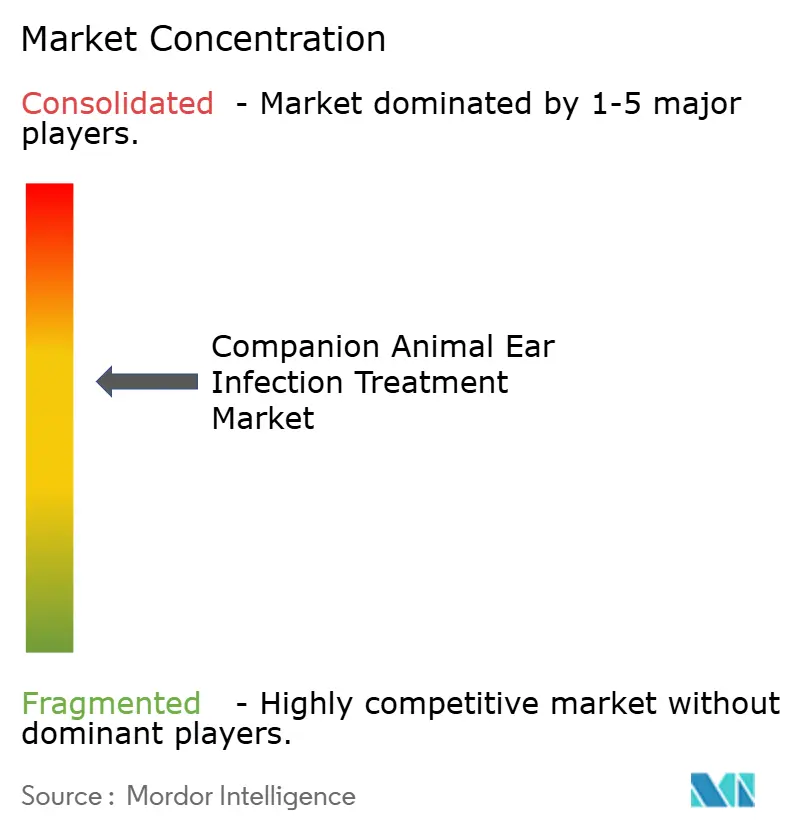
| Market Concentration | Medium |
Major Players *Disclaimer: Major Players sorted in no particular order Image © Mordor Intelligence. Reuse requires attribution under CC BY 4.0. | |
Companion Animal Ear Infection Treatment Market Analysis by Mordor Intelligence
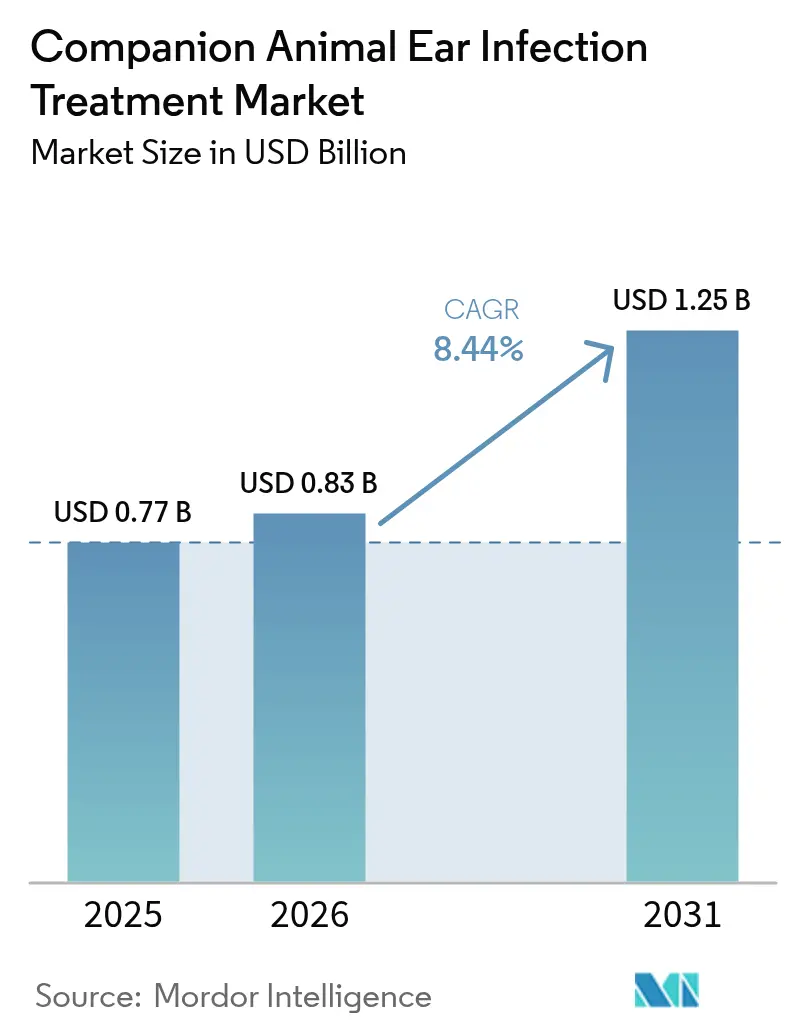
The Companion Animal Ear Infection Treatment Market size is expected to increase from USD 0.77 billion in 2025 to USD 0.83 billion in 2026 and reach USD 1.25 billion by 2031, growing at a CAGR of 8.44% over 2026-2031.
Demand holds steady even as overall veterinary spending has surged between 2023 and 2024 because owners now prioritize chronic‐condition therapies such as otic care over discretionary wellness visits. Three structural shifts underpin the outlook: antimicrobial resistance that pushes veterinarians toward higher-priced combination products, the normalization of pet telehealth that channels prescriptions to online pharmacies, and insurer-funded wellness plans that subsidize early diagnostics. These factors protect revenue streams during economic slowdowns, allowing the companion animal ear infection treatment market to decouple from broader clinic traffic patterns. Competitive intensity is rising as multinational incumbents race specialty challengers to launch long-acting otic delivery systems that guarantee compliance and curb resistance. Asia-Pacific urbanization further supports volume growth, while stewardship guidelines in North America and Europe reshape product mix toward narrow-spectrum agents and microbiome-stabilizing adjutants.
Key Report Takeaways
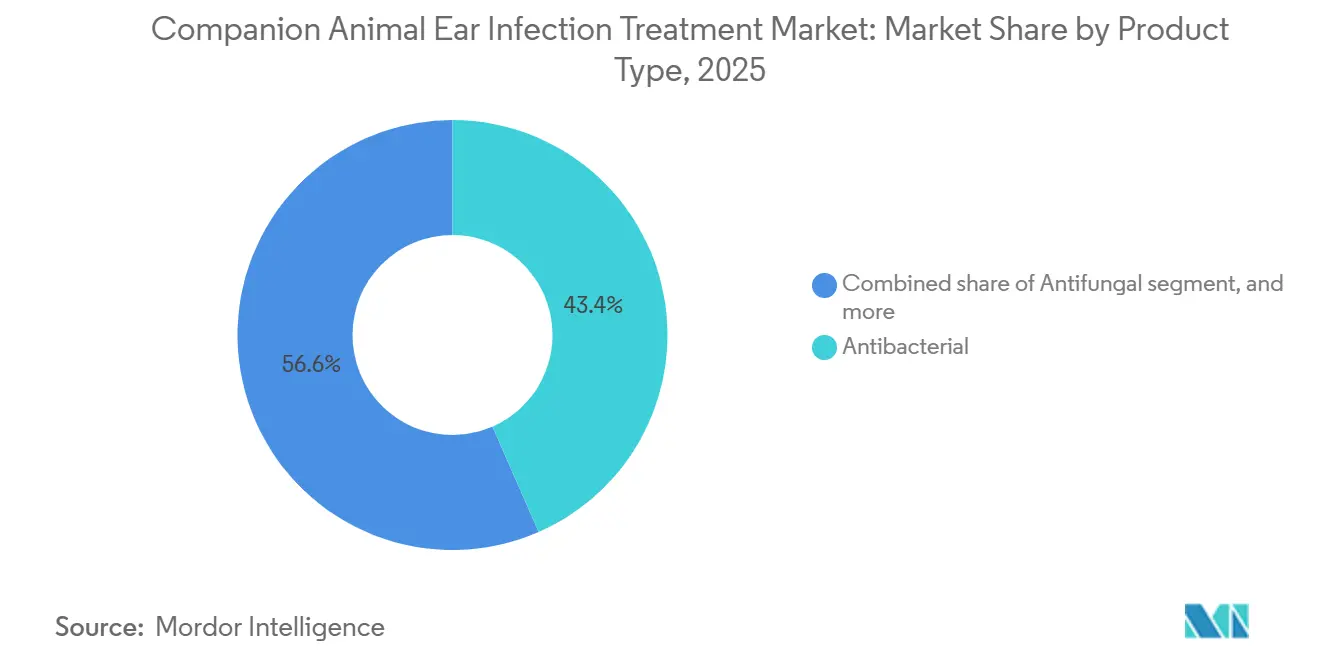
- By product type, antibacterial formulations led with 43.44% of the companion animal ear infection treatment market share in 2025, whereas antifungal agents are expanding at a 9.11% CAGR through 2031.
- By disease type, otitis externa accounted for 65.12% of the companion animal ear infection treatment market size in 2025, while otitis interna is advancing at a 9.25% CAGR through 2031.
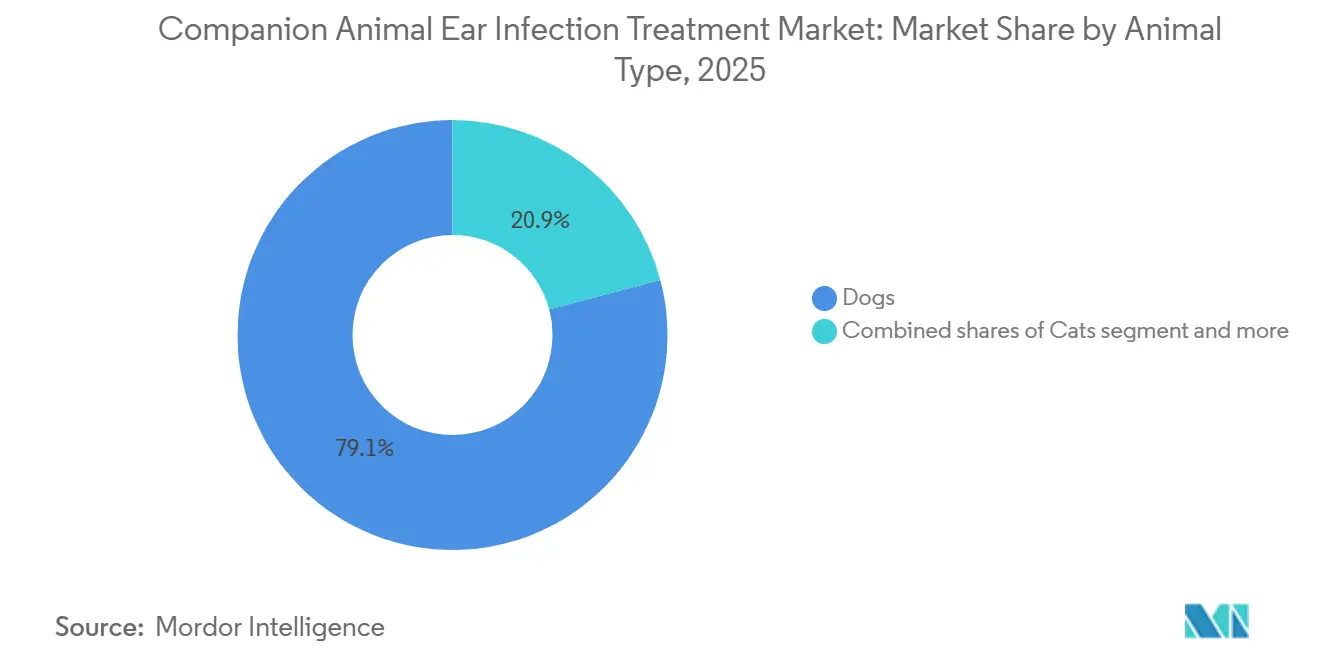
- By animal type, dogs captured 79.12% share of the companion animal ear infection treatment market size in 2025, whereas the feline segment is projected to grow at a 9.31% CAGR to 2031.
- By mode of administration, topical products dominated with 63.55% share in 2025, yet otic delivery systems are forecast to post the fastest 9.6% CAGR to 2031.
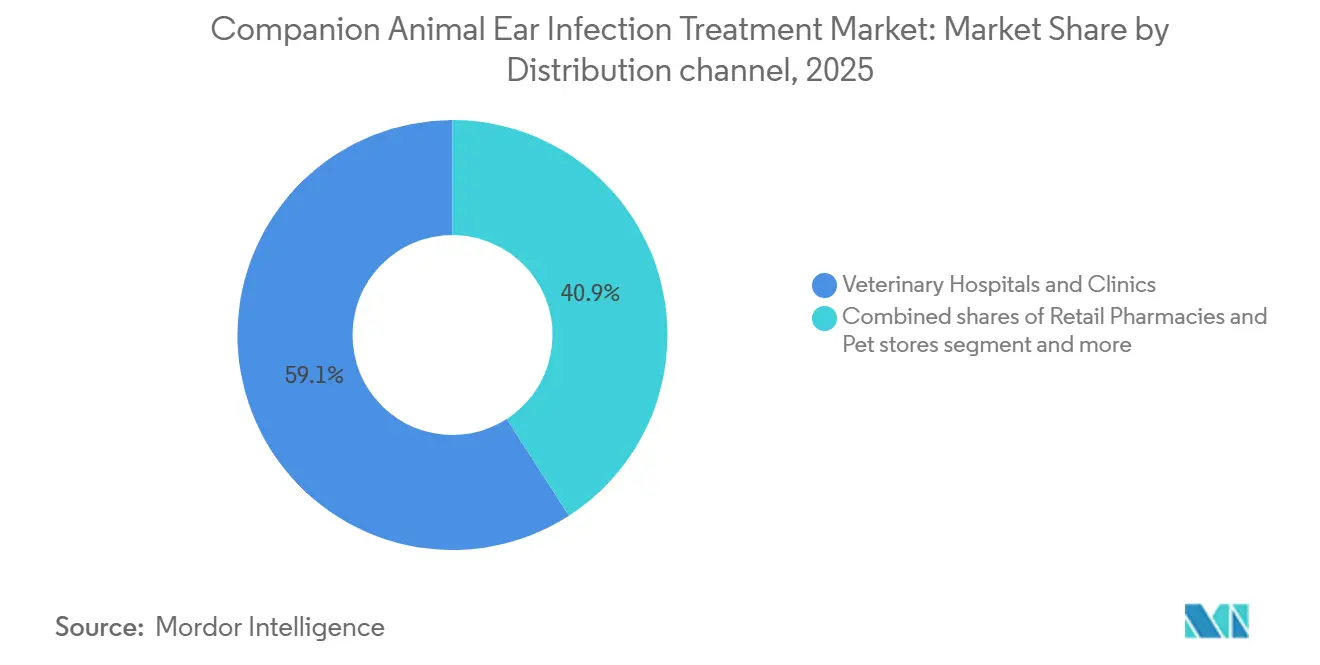
- By distribution channel, veterinary hospitals and clinics held 59.12% share in 2025, while online pharmacies are on course for a 9.12% CAGR through 2031.
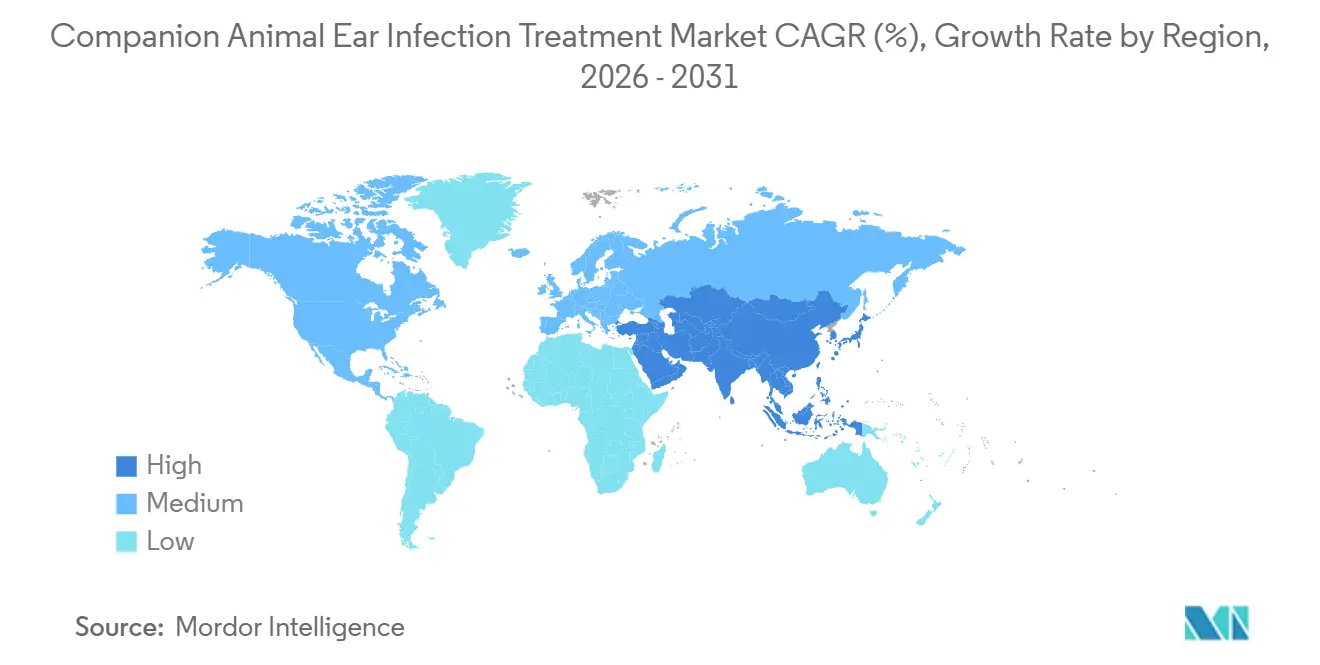
- By geography, North America led with 43.43% revenue share in 2025, whereas Asia-Pacific is the fastest-growing region at a 9.77% CAGR to 2031.
Note: Market size and forecast figures in this report are generated using Mordor Intelligence’s proprietary estimation framework, updated with the latest available data and insights as of 2026.
Market Trends and Insights
Drivers Impact Analysis of Companion Animal Ear Infection Treatment Market*
| Driver | (~) % Impact on CAGR Forecast | Geographic Relevance | Impact Timeline |
|---|---|---|---|
| Increasing Companion Animal Ownership Rates | +1.8% | Global, with APAC core (China, India) and North America urban centers | Medium term (2-4 years) |
| Rising Veterinary Healthcare Expenditure | +1.5% | North America, Europe, Australia; emerging in GCC and urban Latin America | Long term (≥ 4 years) |
| Growing Availability of Advanced Otic Therapeutics | +1.2% | Global, led by North America and Europe; regulatory lag in MEA | Short term (≤ 2 years) |
| Expansion of Pet Telehealth Services | +1.0% | North America (rural access gaps), APAC (urban convenience), Europe | Medium term (2-4 years) |
| Emerging Microbiome-Based Treatment Approaches | +0.7% | North America and Europe early adopters; APAC and Latin America followers | Long term (≥ 4 years) |
| Proactive Wellness Programs by Pet Insurers | +0.9% | North America, UK, Scandinavia; nascent in APAC and Latin America | Medium term (2-4 years) |
| Source: Mordor Intelligence | |||
Increasing Companion Animal Ownership Rates
Gen Z households drove a 43.5% jump in pet adoption between 2023 and 2024, lifting U.S. pet ownership to 94 million homes [1]. Younger owners favor digital-first care, which funnels prescriptions toward e-commerce platforms integral to the companion animal ear infection treatment market. Urbanization in China and India reframes pets as family members, increasing per-capita spending on otic therapeutics. Breed predisposition among dogs with pendulous ears elevates infection incidence, ensuring recurring demand. Rural veterinary shortages affecting 129 million Americans further reinforce telehealth uptake that sustains prescription throughput
Rising Veterinary Healthcare Expenditure
Average annual outlays reached USD 598 for dogs and USD 529 for cats in 2025, but spending polarized: affluent owners embraced specialty services while cost-conscious segments deferred elective care [2]. Ear infections remain non-deferrable, insulating revenue. GCC clinic openings and Brazil’s expanding middle class replicate this pattern, though generic antibacterials dominate price-sensitive tiers.
Growing Availability of Advanced Otic Therapeutics
Regulatory agencies continued to accelerate approvals for novel otic medicines, with the FDA authorizing 45 new animal drugs in 2024 and maintaining a similar pace through early 2026, many of which feature single-dose, in-clinic gels that take owner compliance out of the equation. Manufacturers are adding biofilm-disrupting excipients such as tris-EDTA and localized anesthetics to next-generation products so veterinarians can cleanse, numb, and medicate the canal in one procedure, cutting average revisit rates by 18% in pilot dermatology clinics.
Large firms are building capacity ahead of demand; Boehringer Ingelheim’s USD 75 million European plant expansion lifts annual output of combination gels by 35%, ensuring supply as Asia-Pacific volumes climb. Collectively, these innovations raise the therapeutic ceiling, allowing clinics to treat chronic or resistant cases that once required referral while expanding the premium end of the companion animal ear infection treatment market.
Expansion of Pet Telehealth Services
Telehealth platforms logged more than 700,000 companion-animal interactions in 2025, up 38% year over year, and revenue is forecast to top USD 10 billion by 2030 as rural shortages intersect with urban demand for convenience [3]. Most U.S. states now recognize a video visit as establishing a valid veterinarian-client-patient relationship, enabling direct e-prescribing that funnels otic medications to online pharmacies where prices run 18-22% below clinic shelves.
Partnerships between drug makers and telehealth providers are multiplying; Zoetis, in 2026, began co-branding educational widgets that sit inside leading apps, nudging veterinarians toward its single-dose gels at the point of care. As telehealth normalizes, clinics are repositioning themselves as procedure hubs for ear lavage, cytology, and imaging, while conceding that routine prescription refills will increasingly move through digital channels that shape purchasing behavior in the companion animal ear infection treatment market.
Restraints Impact Analysis of Companion Animal Ear Infection Treatment Market*
| Restraint | (~) % Impact on CAGR Forecast | Geographic Relevance | Impact Timeline |
|---|---|---|---|
| Adverse Effects Associated with Long-Term Steroid Use | -0.9% | Global, with heightened scrutiny in North America and Europe | Medium term (2-4 years) |
| Low Owner Awareness of Early Ear Disease Symptoms | -0.6% | Global, more pronounced in emerging markets (APAC, Latin America, MEA) | Long term (≥ 4 years) |
| Escalating Antimicrobial Resistance in Otic Pathogens | -1.2% | Global, with hotspots in intensive veterinary-care regions (North America, Europe) | Short term (≤ 2 years) |
| Regulatory Restrictions on Compounded Otic Formulations | -0.8% | North America (FDA enforcement), Europe (EMA harmonization) | Medium term (2-4 years) |
| Source: Mordor Intelligence | |||
Adverse Effects Associated with Long-Term Steroid Use
Chronic exposure to high-potency corticosteroids has been linked to iatrogenic Cushing-like syndromes, reported in 4.6% of canine otitis cases that required more than two refills of steroid-containing drops in 2025 pharmacovigilance data. These risks prompt dermatologists to reserve betamethasone or dexamethasone for acute flares and to pivot toward cytokine inhibitors such as oclacitinib or lokivetmab, which modulate specific interleukin pathways without broad immunosuppression. Insurers are beginning to impose step-therapy rules that require documentation of steroid intolerance before approving premium alternatives, slightly slowing uptake but reinforcing careful prescribing.
Over time, sustained safety scrutiny is expected to shift formulary preferences toward lower-dose combinations, probiotic adjuncts, and non-steroidal anti-inflammatories, constraining growth for legacy triple-combination drops within the companion animal ear infection treatment market.
Low Owner Awareness of Early Ear Disease Symptoms
Consumer surveys conducted by the AVMA in 2025 revealed that 57% of owners could not identify early otitis signs such as mild scratching or malodor, leading to an average 12-day delay before seeking veterinary advice. This lag allows inflammation to progress, doubling treatment duration and tripling drug spend, yet still worsens prognosis in 1 in 5 cases. General-practice clinics often lack video otoscopy, relying on visual inspection that misses subclinical lesions; consequently, nearly 30% of cases referred to dermatology specialists show concurrent otitis media that could have been prevented with earlier intervention.
*Our forecasts treat driver/restraint impacts as directional, not additive. The impact forecasts reflect baseline growth, mix effects, and variable interactions.
Companion Animal Ear Infection Treatment Market Segment Analysis
By Product Type:
Antifungals Gain as Malassezia Cases RiseAntibacterials captured 43.44% companion animal ear infection treatment market share in 2025, yet antifungals are set for a 9.11% CAGR on the back of rising Malassezia infections. The companion animal ear infection treatment market size for antifungals is projected to expand steadily as humid climates and floppy-eared breeds drive fungal prevalence. Combination gels blending florfenicol or marbofloxacin with terbinafine illustrate premium positioning, while corticosteroid-sparing formulas answer safety concerns.
Azole resistance remains uncommon, giving antifungals headroom, whereas stewardship guidelines diminish empirical fluoroquinolone use. Blue-light phototherapy trials posted pathogen-load reductions without antimicrobials. Microbiome products remain experimental, but investor interest signals potential long-term disruption to the companion animal ear infection treatment industry.

By Disease Type:
Otitis Interna Growth Reflects Diagnostic AdvancesOtitis externa generated 65.12% of 2025 revenue, confirming its dominance within the companion animal ear infection treatment market. Yet otitis interna is pacing a 9.25% CAGR because referral centers now deploy CT and MRI to detect inner-ear disease earlier. The companion animal ear infection treatment market size attached to advanced imaging referrals is growing as vestibular signs trigger specialist evaluation.
Severe externa splits into mild and chronic cohorts: the first group favors low-cost generics, the second opts for compliance-independent long-acting gels. Otitis media often involves surgical myringotomy, concentrating revenue in specialty hospitals.
By Animal Type:
Feline Segment Accelerates with Urban AdoptionDogs commanded 79.12% share in 2025, yet cats are accelerating at 9.31% CAGR as urban apartments and Gen Z preferences support feline adoption. The companion animal ear infection treatment market share for felines remains small, but growth outpaces canine demand.
Dog predisposition keeps absolute canine volume high, while feline cases often coincide with systemic disorders that balloon treatment costs. Niche opportunities emerge in rabbits and ferrets, although volumes stay modest, sustaining only specialty products.
By Mode of Administration:
Otic Systems Bypass Compliance BarriersTopicals held 63.55% share in 2025, yet otic delivery systems will post the fastest 9.6% CAGR to 2031. In-clinic single-dose gels eliminate owner adherence issues, a key driver for the companion animal ear infection treatment market. The shift raises per-visit revenue for clinics but compresses repeat-dose topical sales.
Oral agents keep relevance for otitis media or systemic co-infections, though gastrointestinal side effects hamper owner acceptance. Long-acting injectables mirror human depot therapies, signaling further movement toward veterinarian-administered solutions within the companion animal ear infection treatment industry.
By Distribution Channel:
E-Commerce Captures Price-Sensitive OwnersVeterinary clinics dispensed 59.12% of 2025 revenue, yet online pharmacies will expand at 9.12% CAGR as 60% of owners comparison-shop to cut drug costs. Telehealth integrations let platforms transmit scripts straight to fulfillment centers, forging a frictionless pathway that erodes clinic dispensing margins.
Retail pharmacies experiment with in-store vet kiosks, but limited geographic reach curbs impact. Clinics respond by emphasizing diagnostics and procedures that cannot be shipped, preserving their clinical centrality in the companion animal ear infection treatment market.
Geography Analysis
North America Companion Animal Ear Infection Treatment Market
North America generated 43.43% of global revenue in 2025, underpinned by high insurance penetration, strong clinic density, and premium pricing levels. The companion animal ear infection treatment market size in the region remains resilient despite macro headwinds because ear infections are non-elective. Stewardship guidelines reduce fluoroquinolone volume but lift demand for culture tests and narrow agents. Rural shortages drive telehealth uptake, coupling virtual care with mail-order delivery to maintain access.
Europe Companion Animal Ear Infection Treatment Market
Europe follows with a mature framework characterized by stringent antimicrobial stewardship and 25%-plus insurance coverage in core markets. Harmonized EMA approvals expedite cross-border launches, yet differences in compounding rules still fragment distribution. Market growth is steady but slower than Asia-Pacific due to already high baseline penetration.
APAC Companion Animal Ear Infection Treatment Market
Asia-Pacific posts the fastest 9.77% CAGR, propelled by China and India, where rising disposable incomes and shifting cultural values elevate pets to family status. E-commerce channels dominate urban centers, letting manufacturers sidestep uneven clinic networks. Local production partnerships, such as Vetoquinol’s 2025 joint venture in China, accelerate regulatory navigation and cut logistics costs.
South America and MEA Companion Animal Ear Infection Treatment Market
South America shows a bifurcated profile: Brazil’s middle class expands demand, but price sensitivity keeps generics dominant. GCC states invest in new clinics, yet warm climates raise cold-chain challenges for biologics. Africa remains nascent with limited data, but urban middle classes in South Africa and Kenya show early adoption of premium pet care. Collectively, emerging markets diversify revenue streams and cushion saturation risks in established regions of the companion animal ear infection treatment market.
Regulatory Landscape
In the United States, companion animal ear infection therapeutics are regulated as new animal drugs by the FDA Center for Veterinary Medicine (CVM) under the NADA and ANADA pathways, shaping both innovation and generic entry for otic suspensions, gels, and solutions used in otitis externa, media, and interna. Recent approvals highlight a sustained pace of label-expanding and compliance-oriented products, including FDA approval of Otiserene (NADA 141-598) in April 2025 for canine otitis externa. Generic competition continues through ANADA requirements centered on bioequivalence or eligible biowaivers when dosage form and active concentrations match the reference listed new animal drug.
In Europe, ear infection treatments for companion animals use the centralized authorization process under Regulation (EU) 2019/6 (effective since January 2022), overseen by the EMA and the European Commission, which supports cross-market launches once authorized. In August 2025, the European Commission granted marketing authorization for Neptra (florfenicol, terbinafine hydrochloride, mometasone furoate) for acute canine otitis externa and acute exacerbations of recurrent otitis, reinforcing the shift toward multi-ingredient, veterinarian-administered regimens that align with antimicrobial stewardship expectations. Separate oversight applies to veterinary biologics in the US, where USDA APHIS Center for Veterinary Biologics (CVB) governs licensing and serial release requirements under the Virus-Serum-Toxin Act, creating a distinct compliance track from FDA-regulated pharmaceuticals.
Competitive Landscape
Global leadership rests with Zoetis, Boehringer Ingelheim, and Elanco, whose broad portfolios and global logistics give scale advantages. Their 2024-2025 R&D pipelines emphasize compliance-independent gels and microbiome modulators, supported by patent filings and capacity expansions such as Boehringer Ingelheim’s USD 75 million European plant upgrade in 2026. Specialty players Dechra, Virbac, and Vetoquinol carve niches by focusing on dermatology depth and regional agility. Dechra’s sequence of 2025 FDA approvals for single-dose gels broadens its footprint in corticosteroid-free solutions.
Technology adoption is a key differentiator. Firms that bundle video otoscopy diagnostics with product education help clinics justify premium pricing while aligning with BSAVA and CDC stewardship rules. Telehealth-pharmacy integrations, exemplified by Zoetis’s 2026 partnership with a leading platform, chase the direct-to-consumer surge. Generic manufacturers, such as Norbrook, compete on price, undermining branded fluoroquinolones but reinforcing stewardship by offering cost-effective narrow-spectrum options.
The companion animal ear infection treatment market now rewards innovation and channel flexibility over scale alone. Multinationals must protect share by reframing value propositions around antimicrobial stewardship, owner convenience, and veterinary revenue support. Specialty houses push corticosteroid-sparing and probiotic novelties, betting that evolving clinical preferences will unlock premium margins.
Companion Animal Ear Infection Treatment Industry Leaders
-
Zoetis Inc.
-
Dechra Pharmaceuticals PLC
-
Merck & Co., Inc.
-
Elanco Animal Health Incorporated
-
Boehringer Ingelheim Vetmedica GmbH
- *Disclaimer: Major Players sorted in no particular order
Companion Animal Ear Infection Treatment Market Companies Covered in this Report
- Bimeda Animal Health
- Boehringer Ingelheim
- Ceva Santé Animale
- Chanelle Pharma
- Dechra Pharmaceuticals
- Elanco Animal Health Inc.
- Innovet Italia
- Med-Pharmex
- Merck
- Nexvet Biopharma
- Norbrook Laboratories
- Vetoquinol
- Virbac
- Zoetis
- Zymox
Read Analysis of Companion Animal Ear Infection Treatment Companies
Market Opportunities and Future Outlook
Opportunities are emerging around compliance-first otic formats and stewardship-aligned product selection, supported by a visible cadence of approvals and launches in 2024-2025 that move therapy away from multi-day owner dosing. FDA approvals in May 2025 for single-dose options from Merck Animal Health (Mometamax Single) and Dechra (Otiserene) reinforce demand for in-clinic, long-acting administration. Dechra also introduced DuOtic as an antibiotic-free option positioned for yeast-associated (Malassezia) otitis externa. Together, these launches create space for portfolios that separate bacterial versus fungal or yeast pathways more clearly, especially in dermatology practices that rely on cytology-led prescribing to support AMR control.
A second opportunity is building in the price-access layer and around channel shifts, where generic entry and online fulfillment widen treatment reach without expanding clinic dispensing. FDA approvals for generics such as EnroPro Silver Otic (May 2024, Cronus Pharma Specialities India) and Klentz (December 2025, Aurora Pharmaceutical) show ANADA-led competition targeting established otic combinations, intensifying price pressure on legacy daily drops while expanding options for cost-sensitive owners. At the same time, growing telehealth utilization and e-prescribing workflows route refills to online pharmacies, increasing the value of manufacturer support programs that align product choice with digital prescribing and diagnostic prompts rather than relying only on in-clinic dispensing.
Recent Industry Developments in Companion Animal Ear Infection Treatment Market
- February 2026: Veterinary industry coverage highlighted accelerating clinical adoption of long-acting, single-dose and antibiotic-free options for canine otitis externa, including MOMETAMAX SINGLE and DuOtic. This reinforced antimicrobial stewardship-driven prescribing, increasing differentiation for products that reduce repeat dosing and avoid antibiotics when yeast-only disease is confirmed.
- May 2025: Merck Animal Health announced FDA approval of MOMETAMAX SINGLE, a single-dose otic suspension (gentamicin, posaconazole, mometasone furoate) for the treatment of canine otitis externa. The approval strengthens the shift toward veterinarian-administered therapies that address owner compliance and can reposition revenue toward in-clinic procedures and premium otic formats.
- April 2024: Dechra introduced DuOtic (terbinafine and betamethasone acetate) otic gel as an antibiotic-free treatment option for yeast-associated canine otitis externa. The launch broadened therapeutic pathways by supporting targeted non-antibiotic management where bacterial infection is not indicated, aligning product positioning with AMR-conscious practice protocols.
Companion Animal Ear Infection Treatment Market Report Scope and Research Methodology
Market Definition and Coverage
This market covers revenue from products used to treat ear infections in companion animals, covering both prescription and over-the-counter therapies dispensed through veterinary and retail channels. The scope is treatment use for conditions such as otitis externa, media, and interna in household pets.
Scope exclusions: diagnostic tests, surgical procedures, and farm animal ear infection therapeutics are excluded from this market sizing.
Segments Covered in This Report
- By Product Type
- Antibacterial
- Aminoglycosides
- Fluoroquinolones
- Other Antibacterial Products
- Antifungal
- Corticosteroids
- Other Product Types
- Antibacterial
- By Disease Type
- Otitis Externa
- Otitis Media
- Otitis Interna
- By Animal Type
- Dogs
- Cats
- Other Animal Types
- By Mode of Administration
- Topical
- Oral
- Otic
- By Sales Channel
- Veterinary Hospitals & Clinics
- Retail Pharmacies & Pet Stores
- Online Pharmacies & Direct-to-Consumer
- By Geography
- North America
- United States
- Canada
- Mexico
- Europe
- Germany
- United Kingdom
- France
- Italy
- Spain
- Rest of Europe
- Asia-Pacific
- China
- India
- Japan
- South Korea
- Australia
- Rest of Asia-Pacific
- Middle East and Africa
- GCC
- South Africa
- Rest of Middle East and Africa
- South America
- Brazil
- Argentina
- Rest of South America
- North America
Data Sources, Market Sizing, and Validation
Desk Research
Desk research was used to set up the basic market frame and to keep assumptions tied to how ear infection cases are handled in veterinary practice. Public sources such as the US FDA Center for Veterinary Medicine, the European Medicines Agency, the USDA APHIS (pet population and animal health context), and peer-reviewed veterinary journals were reviewed to understand treatment norms, antimicrobial stewardship signals, and typical therapy pathways for otitis.
We also reviewed broader companion animal health spending context from official statistics and association releases, then supplemented it with company annual reports, product labels, and investor materials. This helped us map therapy types and the way pricing movement tends to play out over time. In a few cases, we used paid subscriptions for company financials and a patent database to confirm product activity where public disclosures were limited. The sources named above are illustrative rather than exhaustive, and other public documents and datasets were also referenced to collect data, validate figures, and clarify open questions.
Primary Interviews and Surveys
Primary work was used to stress-test the desk assumptions, especially around how veterinarians select between topical otic therapy and systemic drugs and how combination products are used in routine cases. We spoke with veterinary clinicians, clinic procurement staff, distributors, and product specialists across major regions so the model reflects diagnosis and treatment behavior by channel and geography, not just product availability.
Distribution of primary research fieldwork respondents
| Company type | Respondent position | Region |
|---|---|---|
| Top tier: 28% | CXOs: 13% | APAC: 41% |
| Mid tier: 51% | Functional/Unit leaders: 43% | EMEA: 34% |
| Smaller Players: 21% | Managers: 44% | Americas: 25% |
Market-Sizing & Forecasting
Market sizing was built using a top-down and bottom-up structure. First, the demand pool was reconstructed from companion animal population trends and veterinary care usage, then filtered by the share of pets that experience ear infections and receive medication. Once the treated pool was set, value was estimated using a practical therapy mix and price points by channel, then checked against typical dispensing patterns in clinics and retail.
To keep the model reproducible, we used a limited set of inputs that can be refreshed each year, including companion animal population trends, otitis prevalence and recurrence patterns, the split between topical otic products and systemic therapy, typical treatment duration, and price movement by formulation type. Bottom-up checks were used selectively, such as sampled price range checks and rollups of representative product groups by region. Where a country-level therapy mix could not be validated, gaps were addressed using conservative penetration ranges.
For forecasting, scenario analysis was used because infection incidence is generally steady, while diagnosis rates, product choice, and pricing can shift with owner awareness and stewardship practices. Growth cases were shaped using expert views on drivers such as allergy-linked otitis, pet insurance support for vet visits, and tighter expectations around antibiotic use. Outputs were reviewed to ensure implied volumes remained consistent with the treated pet pool.
Data Validation & Update Cycle
Validation was done by triangulating outputs with independent signals, including changes in veterinary visit patterns, shifts in prescription versus OTC mix, and public regulatory activity related to veterinary antimicrobials. When a country-level output looked too high or too low relative to these signals, we revisited the assumptions and rechecked the logic before sign-off.
Each estimate also goes through multi-step internal review, where calculations are audited and the reasoning behind prevalence, therapy mix, and pricing is challenged for consistency. If material variances show up during review, respondents are re-contacted to confirm what changed in practice, including movement toward longer-acting otic formulations or pullbacks in certain systemic antibiotics. Reports are refreshed annually, with interim updates for material events. Before delivery, an analyst performs a final update pass so clients receive the latest view.
Mordor Intelligence's Companion Animal Ear Infection Treatment Market Size Compared Against Other Published Estimates
Published market values for companion animal ear infection treatment can differ even when the topic label sounds similar, because publishers use different inclusions, year conventions, and conversion timing. Differences typically come from what is counted as treatment revenue, how prescription and OTC channels are treated, and whether recurrence and follow-up treatment are modeled consistently.
In this market, the spread often traces back to whether non-drug items like diagnostics or procedures are included, how the therapy mix is split between topical otic products and systemic drugs, and how quickly average selling prices are assumed to move by region. Keeping diagnostics and procedures outside scope, and then tying repeat treatment to prevalence and recurrence checks gathered in fieldwork, helps explain the 2025 level reported by Mordor Intelligence.
Benchmark comparison
| Source | Market Size | Gaps in Research Methodology |
|---|---|---|
| Mordor Intelligence | USD 0.77 B (2025) | |
| Global Consultancy A | USD 0.74 B (2025) | Leans toward a narrower prescription-focused product view and likely undercounts OTC ear cleansers and some retail channel sales, which lowers the 2025 total. |
| Industry Publisher B | USD 0.76 B (2025) | Uses a slightly different therapy mix and pricing progression by region, and it is less clear how recurrence-driven repeat treatments are incorporated into annual value. |
Overall, the differences are not about pet counts alone, they mostly come from scope choices around non-drug items and from how therapy mix and pricing are set by channel. When inputs are kept transparent and rechecked against repeatable demand signals, the final total becomes easier to reconcile with veterinary practice and year-to-year updates.
Key Questions Answered in the Report
How big is the companion animal ear infection treatment market in 2026?
The market is valued at USD 0.83 billion in 2026 and is on track to reach USD 1.25 billion by 2031, reflecting an 8.44% CAGR.
Which product segment is growing fastest?
Antifungal therapeutics exhibit the highest growth, forecast at a 9.11% CAGR through 2031 as veterinarians address mixed bacterial-fungal infections more aggressively.
Why is Asia-Pacific the fastest-expanding region?
Rapid urbanization, higher disposable income, and growing pet ownership in countries such as China and India are driving a 9.77% regional CAGR, outpacing mature markets.
How does telehealth influence ear infection treatment?
Telehealth simplifies follow-up visits, supports antimicrobial stewardship through closer monitoring, and complements online pharmacies that dispense prescription ear medications.
What are key risks facing the market?
Escalating antimicrobial resistance, adverse effects from extended steroid use, and evolving regulations on compounded formulations can constrain growth if not proactively managed.