
Combination Anti-Diabetes Drugs Market Size and Share
Market Overview
| Study Period | 2021 - 2032 |
|---|---|
| Market Size (2027) | USD 1.49 Billion |
| Market Size (2032) | USD 2.48 Billion |
| Growth Rate (2027 - 2032) | 10.87 % |
| Fastest Growing Market | Europe |
| Largest Market | North America |
| Market Concentration | High |
Major Players *Disclaimer: Major Players sorted in no particular order Image © Mordor Intelligence. Reuse requires attribution under CC BY 4.0. | |
Combination Anti-Diabetes Drugs Market Analysis by Mordor Intelligence
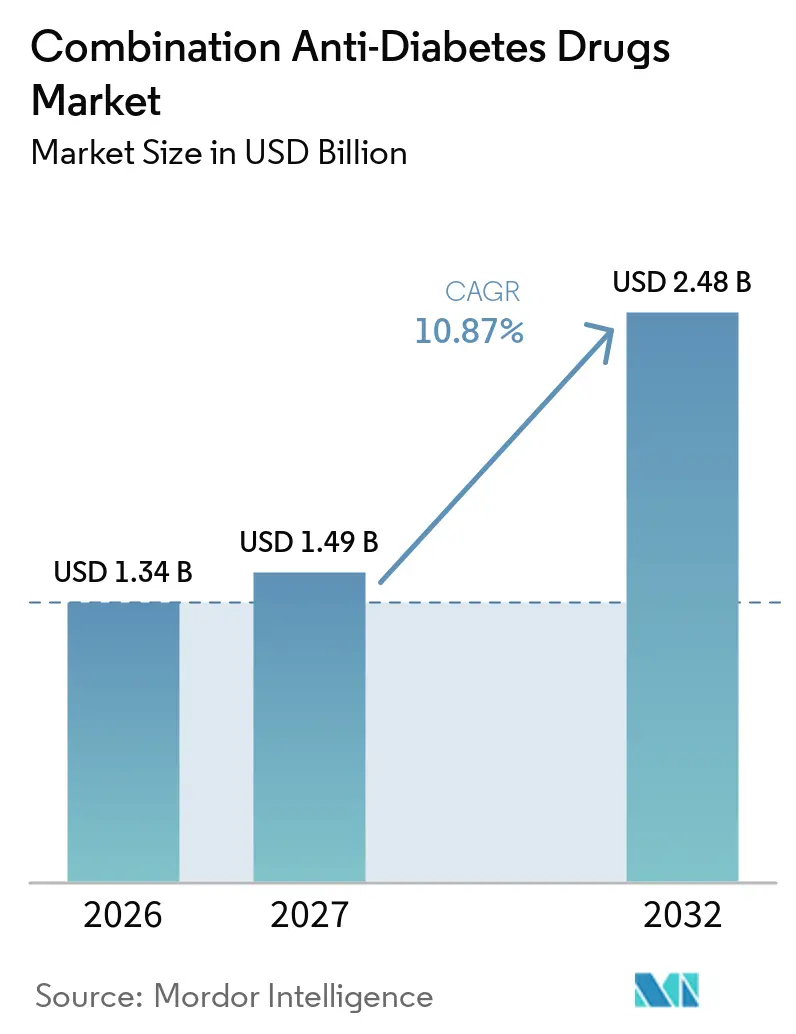
The Combination Anti-Diabetes Drugs Market size is projected to expand from USD 1.34 billion in 2026 and USD 1.49 billion in 2027 to USD 2.48 billion by 2032, registering a CAGR of 10.87% between 2027 and 2032.
Diabetes mellitus increases the risk of viral infections, especially during the period of poor glycemic control. Emerging evidence suggests that it is one of the most common comorbidities in the SARS-CoV-2 infection. The COVID-19 pandemic has substantially impacted the combination anti-diabetes drugs market. The prevalence of diabetes in people hospitalized with COVID-19 infection and the recognition that improved glycemic control might improve outcomes and reduce the length of stay in patients with SARS-CoV-2 have underlined the importance of the combination anti-diabetes drugs.
People with diabetes have a weaker immune system, the COVID-19 complication aggravates the condition, and the immune system gets weaker very fast. Diabetes and uncontrolled hyperglycemia are risk factors for poor outcomes in patients with COVID-19 including an increased risk of severe illness or death. Moreover, the management and therapy are complex for individuals with diabetes who are acutely unwell with suspected or confirmed COVID-19. Thus, the COVID-19 outbreak increased the combination anti-diabetes drugs market's growth globally.
Generally, metformin is recommended as an initial treatment for patients with diabetes. At the same time, it is recognized that monotherapy does not provide adequate glucose control in a large proportion of patients and that many patients will experience unacceptable side effects with a higher dosage of a single agent. Fixed dose combination antidiabetic medications are a useful and appropriate treatment option in this large group of patients to maintain good glycemic control. The combination drug therapy helps to keep the HbA1c value below 7% for a patient. Combination therapy at low doses minimizes the side effects associated with high dose therapy of either agent and provides additive clinical benefits.
The combination anti-diabetes drugs market is driven by the rising global burden of diabetes and the increasing need for effective glycemic control. The rate of newly diagnosed cases of type 1 and type 2 diabetes continues to increase, largely due to obesity, unhealthy dietary habits, and physical inactivity. The growing prevalence of diabetes and rising healthcare expenditure worldwide are indicative of increasing demand for anti-diabetic therapies. Furthermore, ongoing advancements in diabetes treatment have led to the development of innovative fixed-dose combination therapies that improve glycemic control through multiple mechanisms of action while enhancing patient convenience and treatment adherence.
Therefore, owing to the aforementioned factors the studied market is anticipated to witness growth over the analysis period.
Note: Market numbers in this report are based on Mordor Intelligence's proprietary estimation framework, which combines nine months of actuals with Q4 projections for base year 2026.
Global Combination Anti-Diabetes Drugs Market Trends and Insights
Janumet holds the highest market share in the Combination Anti-Diabetes Drugs Market in the current year
Janumet holds the highest market share of about 37.4% in the Combination Anti-Diabetes Drugs Market in the current year.
Janumet contains a combination of metformin and sitagliptin. Metformin and sitagliptin are oral diabetes medicines that help control blood sugar levels. Metformin works by decreasing glucose production in the liver and decreasing glucose absorption by the intestines. Sitagliptin works by regulating the insulin levels the body produces after eating. Janumet is used with diet and exercise to improve blood sugar control in adults with type 2 diabetes mellitus. Janumet is not used to treat type 1 diabetes.
Combination oral drugs are available internationally and are recommended for use when escalation of treatment for type 2 diabetes is required, along with lifestyle management. Oral agents are typically the first medications used in treating type 2 diabetes due to their wide range of efficacy, safety, and mechanisms of action. Combination oral drugs help diabetes patients to keep their condition under control and lower the risk of diabetes complications. People with diabetes may need to take anti-diabetic drugs for their whole lives to control their blood glucose levels and avoid hypoglycemia and hyperglycemia. Oral anti-diabetic agents present the advantages of easier management and lower cost. So they became an attractive alternative to insulin with better acceptance, which enhances adherence to the treatment.
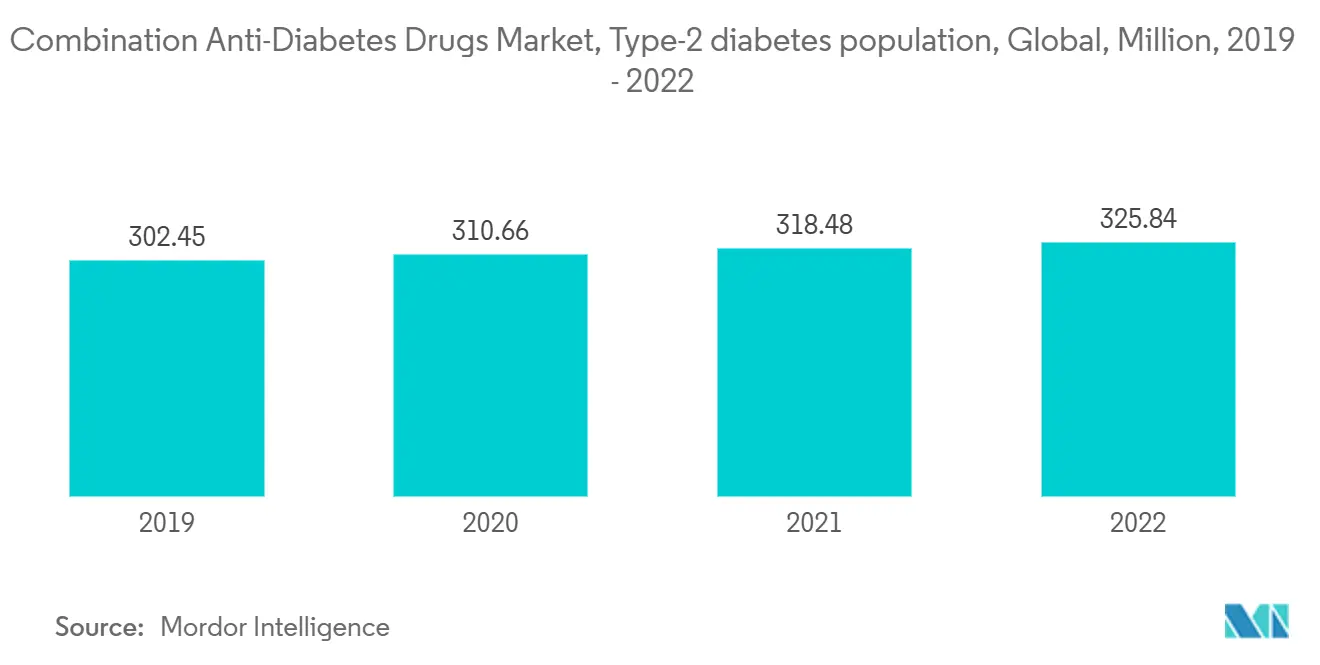
Globally, people witnessed an alarming increase in the prevalence of diabetes in recent years. Patients with diabetes require many corrections throughout the day to maintain nominal blood glucose levels, such as oral anti-diabetic medication or ingestion of additional carbohydrates by monitoring their blood glucose levels. The rate of newly diagnosed Type 1 and Type 2 diabetes cases is seen to increase, mainly due to obesity, unhealthy diet, and physical inactivity. The rapidly increasing incidence and prevalence of diabetic patients and healthcare expenditure are indications of the increasing usage of diabetic drugs.
Owing to the factors above and the increasing prevalence, the market will likely continue to grow.
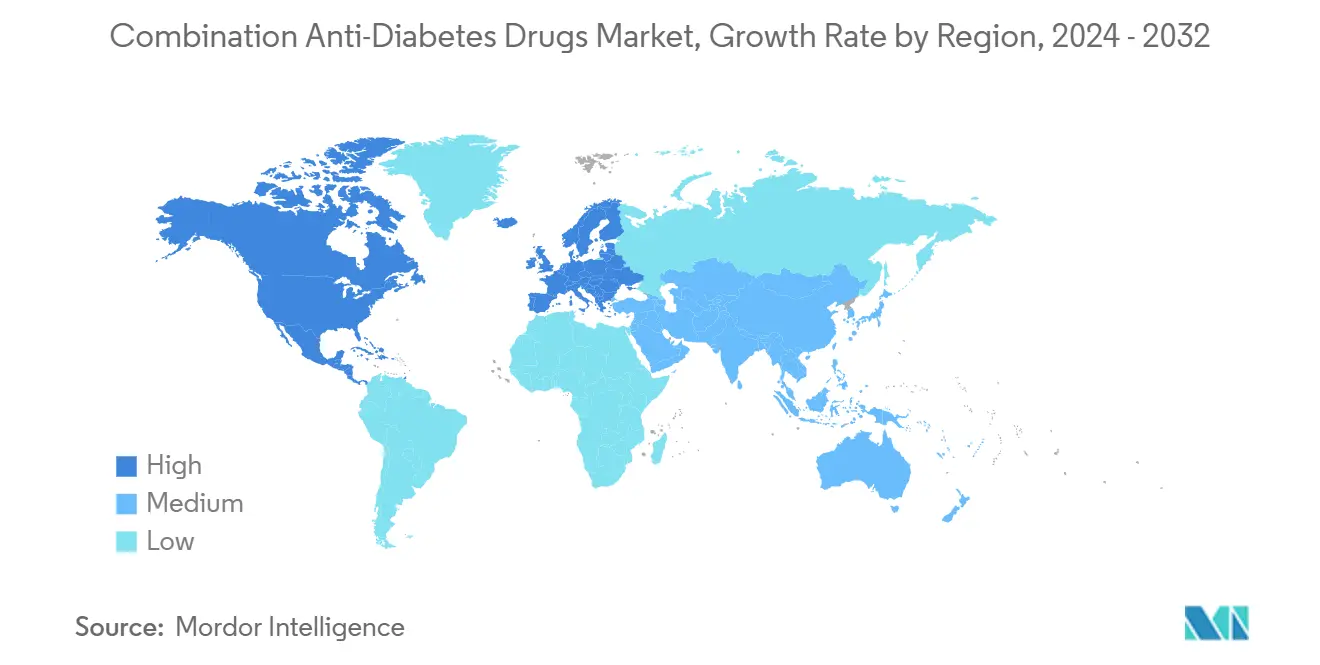
North America is expected to dominate the Combination Anti-Diabetes Drugs market over the forecast period
Combination Anti-diabetic drugs are medicines developed to stabilize and control blood glucose levels among people with diabetes. According to the Division of Metabolism and Endocrinology Products in the FDA's Center for Drug Evaluation and Research, 'Patients want effective treatment options for diabetes that are as minimally intrusive on their lives as possible, and the FDA welcomes the advancement of new therapeutic options that can make it easier for patients to control their condition.'
In North America, the widespread availability of health insurance coverage and government-funded healthcare programs supports access to diabetes treatments, including insulin and other anti-diabetic medications. The region's strong healthcare expenditure and established reimbursement framework contribute to the adoption of innovative therapies. For instance, Medicare provides coverage for diabetes-related services and prescription medications for eligible beneficiaries in the United States, helping improve access to essential diabetes treatments and supporting market growth. Favorable insurance coverage for newer treatment options and increasing awareness of diabetes management continue to drive demand for anti-diabetic drugs across the region.
An estimated 1.4 million Americans are diagnosed with diabetes every year, according to the American Diabetes Association. Diabetes is one of the leading causes of death in Canada and other North American countries. The disease's growing incidence, prevalence, and progressive nature encouraged the development of new drugs to provide additional treatment options for diabetic patients.
Owing to the factors above, the market is expected to grow during the forecast period.
Competitive Landscape
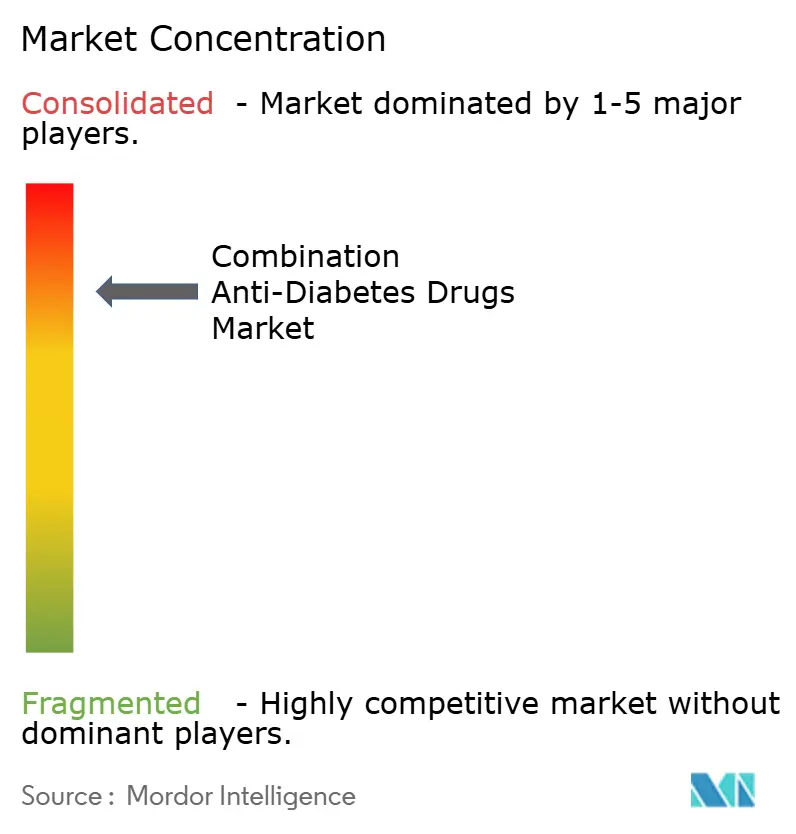
The combination anti-diabetes drugs market is moderately consolidated with manufacturers like Novo Nordisk, Merck, Sanofi, Eli Lilly, and others.
Combination Anti-Diabetes Drugs Industry Leaders
-
Boehringer Ingelheim
-
Sanofi Aventis
-
Merck & Co., Inc.
-
Eli Lilly and Company
-
Novo Nordisk A/S
- *Disclaimer: Major Players sorted in no particular order
Recent Industry Developments
- July 2022: Glenmark Pharmaceuticals Limited announced that it had launched sitagliptin and its fixed-dose combinations for adults with Type 2 diabetes in India. Glenmark introduced 8 different combinations of sitagliptin-based drugs under the brand name SITAZIT and its variants at an affordable price.
- July 2022: European Commission released the Commission Implementing Decision granting marketing authorization under Regulation (EC) No 726/2004 of the European Parliament and the Council for "Sitagliptin/Metformin hydrochloride Accord - sitagliptin / metformin hydrochloride."
Global Combination Anti-Diabetes Drugs Market Report Scope
Combination anti-diabetes drugs combine two or more different types of diabetes medicines. Many people with diabetes need combination therapy to keep blood glucose levels within the target range and avoid diabetes-related complications. The Combination Anti-Diabetes Drugs Market is segmented into type (oral combinations (Janumet (Sitagliptin and Metformin HCl)) and insulin combinations (NovoMix (Biphasic Insulin Aspart), Ryzodeg (Insulin Degludec and Insulin Aspart), and Xultophy (Insulin Degludec and Liraglutide))), and geography (North America, Europe, Asia-Pacific, Middle East and Africa, and Latin America). The report offers the value (in USD) and volume (in units) for the above segments. Further, the report will cover a segment-wise breakdown (value and volume) for all the countries covered under the Table of Contents.
| Janumet (Sitagliptin and Metformin HCl) |
| NovoMix (Biphasic Insulin Aspart) |
| Ryzodeg (Insulin Degludec and Insulin Aspart) |
| Xultophy (Insulin Degludec and Liraglutide) |
| North America | United States |
| Canada | |
| Rest of North America | |
| Europe | France |
| Germany | |
| Italy | |
| Spain | |
| United Kingdom | |
| Russia | |
| Rest of Europe | |
| Latin America | Mexico |
| Brazil | |
| Rest of Latin America | |
| Asia-Pacific | Australia |
| China | |
| India | |
| Indonesia | |
| Japan | |
| Malaysia | |
| Philippines | |
| South Korea | |
| Thailand | |
| Vietnam | |
| Rest of Asia-Pacific | |
| Middle East and Africa | Saudi Arabia |
| Iran | |
| Egypt | |
| Oman | |
| South Africa | |
| Rest of Middle East and Africa |
| Oral Combination | Janumet (Sitagliptin and Metformin HCl) | |
| Insulin Combination | NovoMix (Biphasic Insulin Aspart) | |
| Ryzodeg (Insulin Degludec and Insulin Aspart) | ||
| Xultophy (Insulin Degludec and Liraglutide) | ||
| Geography | North America | United States |
| Canada | ||
| Rest of North America | ||
| Europe | France | |
| Germany | ||
| Italy | ||
| Spain | ||
| United Kingdom | ||
| Russia | ||
| Rest of Europe | ||
| Latin America | Mexico | |
| Brazil | ||
| Rest of Latin America | ||
| Asia-Pacific | Australia | |
| China | ||
| India | ||
| Indonesia | ||
| Japan | ||
| Malaysia | ||
| Philippines | ||
| South Korea | ||
| Thailand | ||
| Vietnam | ||
| Rest of Asia-Pacific | ||
| Middle East and Africa | Saudi Arabia | |
| Iran | ||
| Egypt | ||
| Oman | ||
| South Africa | ||
| Rest of Middle East and Africa | ||
Key Questions Answered in the Report
How big is the Combination Anti-Diabetes Drugs Market?
The Combination Anti-Diabetes Drugs Market size is expected to reach USD 1.34 billion in 2026 and grow at a CAGR of 10.87% to reach USD 2.48 billion by 2032.
What is the Combination Anti-Diabetes Drugs Market size in 2027?
In 2027, the Combination Anti-Diabetes Drugs Market size is expected to reach USD 1.49 billion.
Who are the key players in Combination Anti-Diabetes Drugs Market?
Boehringer Ingelheim, Sanofi Aventis, Merck & Co., Inc., Eli Lilly and Company and Novo Nordisk A/S are the major companies operating in the Combination Anti-Diabetes Drugs Market.
Which is the fastest growing region in Combination Anti-Diabetes Drugs Market?
Europe is estimated to grow at the highest CAGR over the forecast period (2027-2032).
Which region has the biggest share in Combination Anti-Diabetes Drugs Market?
In 2026, the North America accounts for the largest market share in Combination Anti-Diabetes Drugs Market.
What years does this Combination Anti-Diabetes Drugs Market cover, and what was the market size in 2025?
In 2025, the Combination Anti-Diabetes Drugs Market size was estimated at USD 1.21 billion. The report covers the Combination Anti-Diabetes Drugs Market historical market size for years: 2021, 2022, 2023, 2024, 2025, and 2026. The report also forecasts the Combination Anti-Diabetes Drugs Market size for years: 2027, 2028, 2029, 2030, 2031, and 2032.