
Aspergillosis Market Size and Share
Market Overview
| Study Period | 2020 - 2031 |
|---|---|
| Market Size (2026) | USD 6.91 Billion |
| Market Size (2031) | USD 8.86 Billion |
| Growth Rate (2026 - 2031) | 5.12 % |
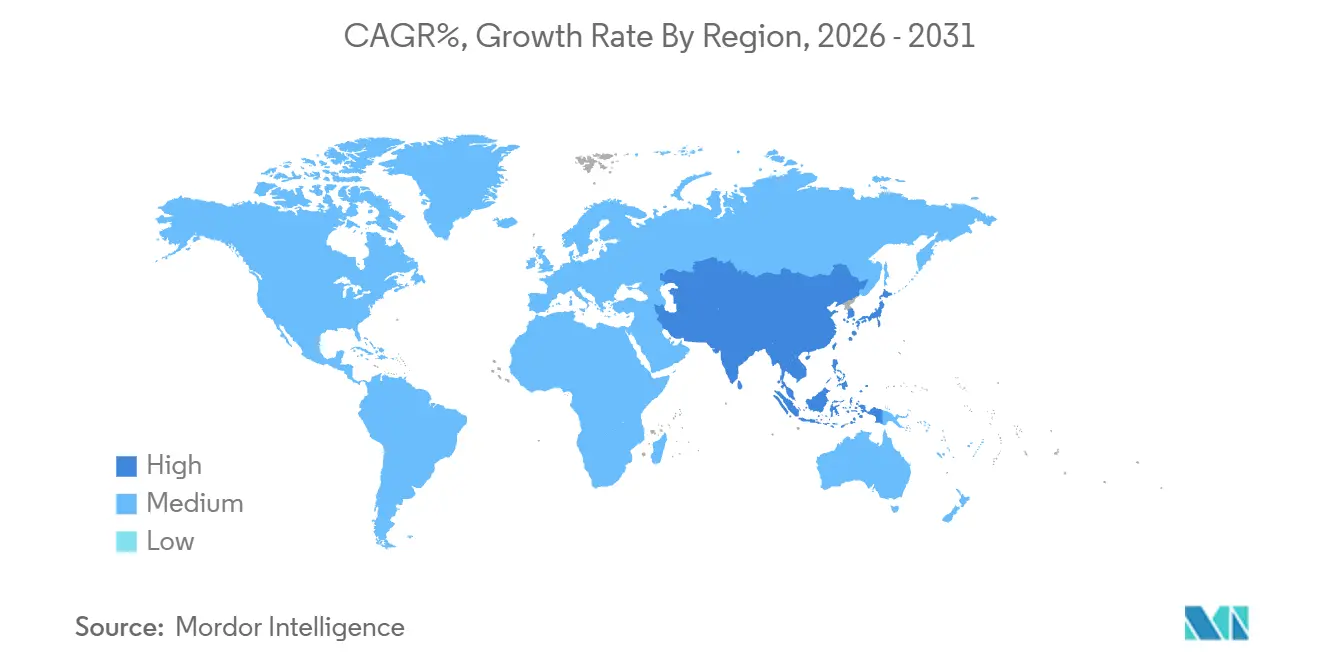
| Fastest Growing Market | Asia-Pacific |
| Largest Market | North America |
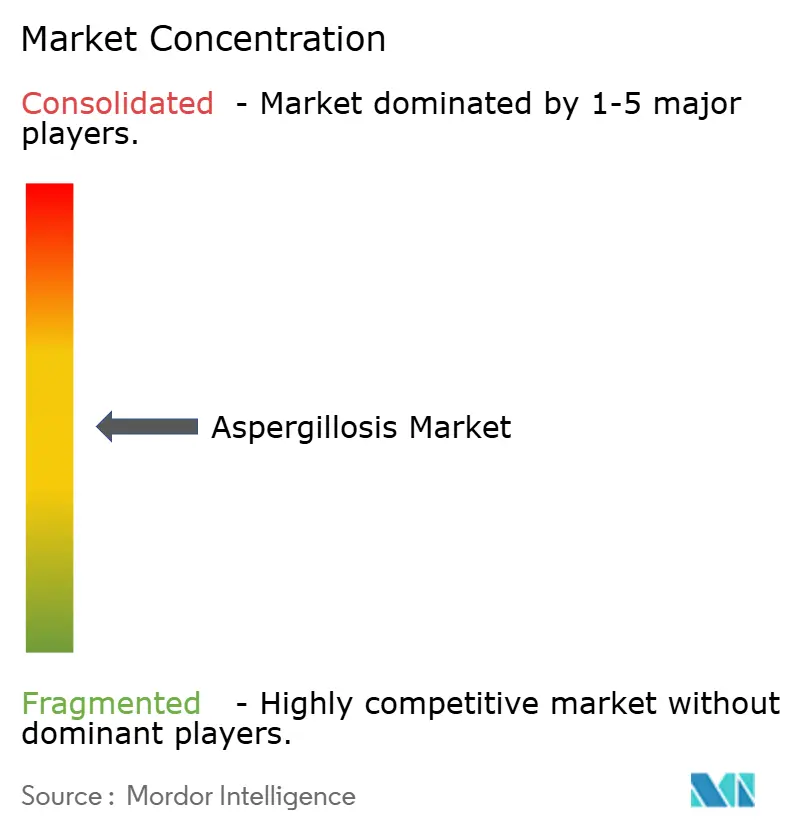
| Market Concentration | Medium |
Major Players *Disclaimer: Major Players sorted in no particular order Image © Mordor Intelligence. Reuse requires attribution under CC BY 4.0. | |
Aspergillosis Market Analysis by Mordor Intelligence
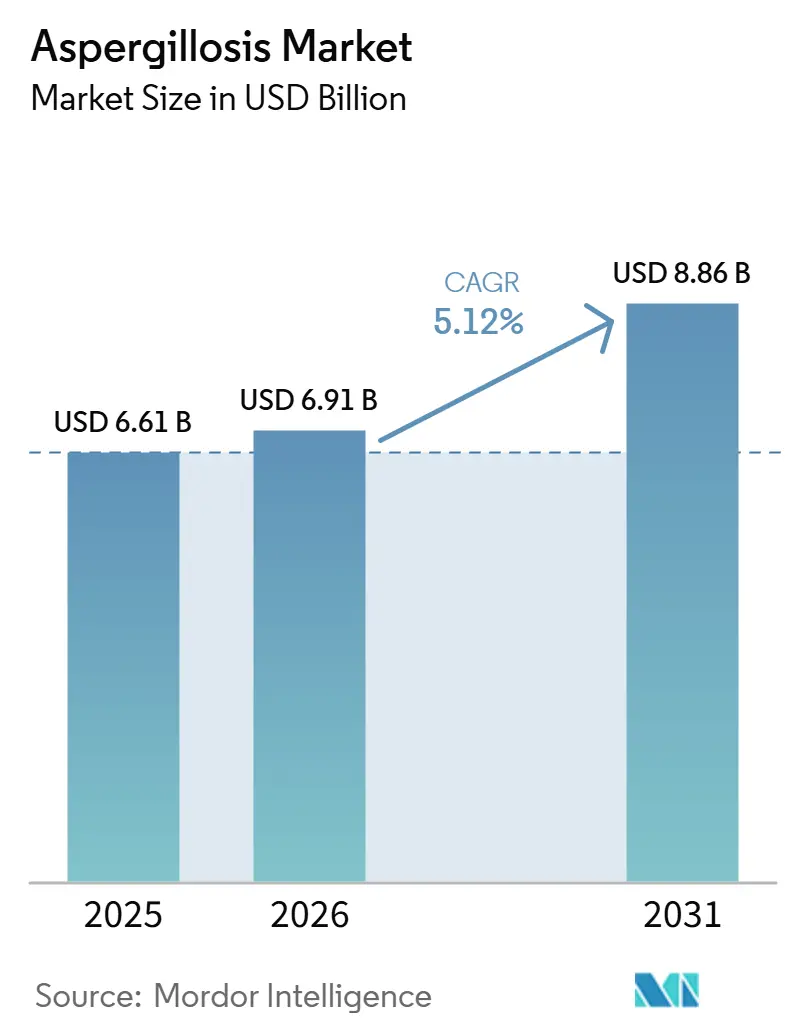
The Aspergillosis Market size was valued at USD 6.61 billion in 2025 and is estimated to grow from USD 6.91 billion in 2026 to reach USD 8.86 billion by 2031, at a CAGR of 5.12% during the forecast period (2026-2031).
The aspergillosis market is supported by a larger population of patients with weakened immune systems, including people receiving transplantation, cancer treatment, corticosteroids, and biologic medicines. Clinical demand is also widening beyond traditional transplant and oncology settings because critically ill patients, people with cirrhosis, and those with chronic respiratory disease remain vulnerable to invasive infection. New drugs are becoming more important as azole resistance affects treatment selection and hospital formularies. Pipeline activity could improve options for resistant disease, especially where nephrotoxicity has limited the use of intravenous amphotericin B. The aspergillosis market also faces cost and diagnostic barriers that can delay treatment in lower-resource settings.
Key Report Takeaways
By infection type, allergic aspergillosis held 44.6% of the aspergillosis market share in 2025, while invasive aspergillosis is forecast to grow at a 5.5% CAGR through 2031.
By drug class, azoles held 58.6% of the aspergillosis market share in 2025, while echinocandins are forecast to grow at a 5.6% CAGR through 2031.
By route of administration, oral solid dosage held 53.3% share in 2025, while inhaled dry-powder formulations are forecast to grow at a 5.7% CAGR through 2031.
By distribution channel, hospital pharmacies held 63.8% share in 2025, while online pharmacies are forecast to grow at a 5.4% CAGR through 2031.
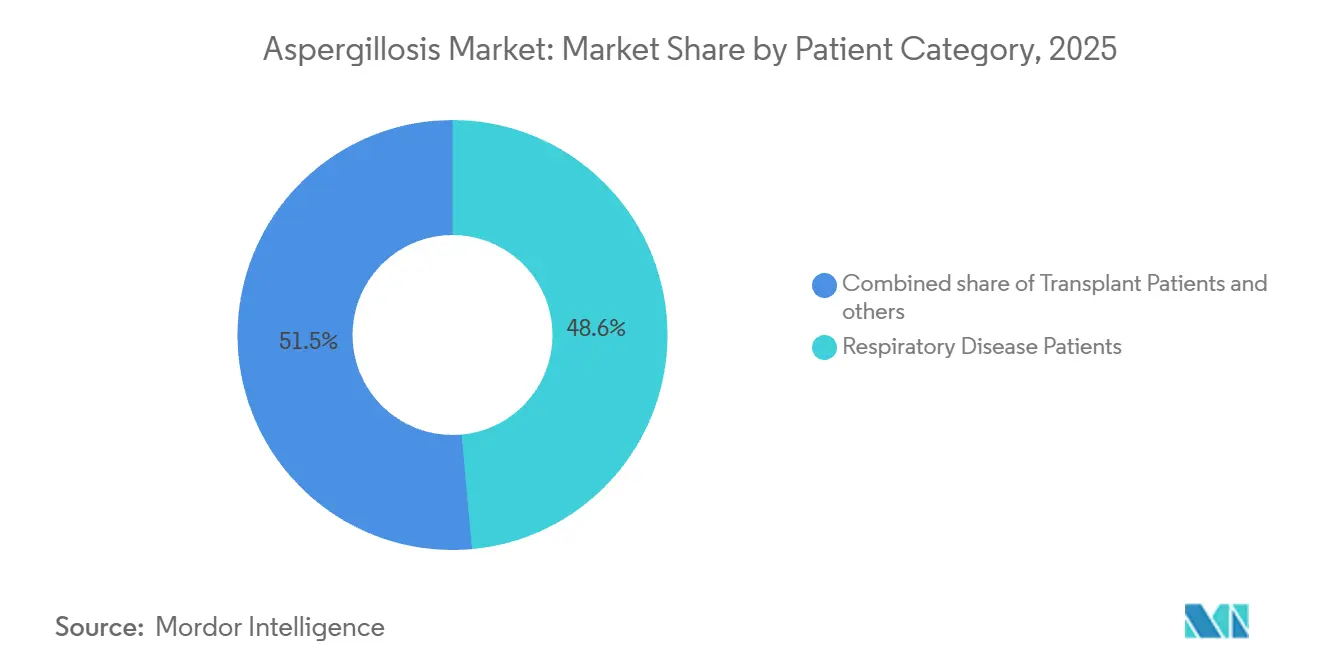
By patient category, respiratory disease patients held 48.6% share in 2025, while transplant patients are forecast to grow at a 5.3% CAGR through 2031.
By geography, North America held 42% share in 2025, while Asia-Pacific is forecast to grow at a 5.8% CAGR through 2031.
Note: Market size and forecast figures in this report are generated using Mordor Intelligence’s proprietary estimation framework, updated with the latest available data and insights as of January 2026.
Market Trends and Insights
Drivers Impact Analysis of Aspergillosis Market*
| Driver | (~) % Impact on CAGR Forecast | Geographic Relevance | Impact Timeline |
|---|---|---|---|
| Expanding Immunocompromised Patient Pool | +1.5% | Global | Long term (≥ 4 years) |
| Rising Transplantation and Hematologic Cancer Treatment Volumes | +1.0% | North America, Europe, Asia-Pacific | Medium term (2-4 years) |
| Earlier Diagnosis Through Molecular and Biomarker Testing | +0.8% | North America, Europe | Medium term (2-4 years) |
| Next-Generation Antifungal Development | +0.9% | Global | Medium term (2-4 years) |
| Growing Chronic Pulmonary Disease Burden | +0.5% | Asia-Pacific, Middle East and Africa, South America | Long term (≥ 4 years) |
| Climate-Linked Expansion of Aspergillus Exposure | +0.4% | Europe, North America, Asia-Pacific, Middle East and Africa | Long term (≥ 4 years) |
| Source: Mordor Intelligence | |||
Expanding Immunocompromised Patient Pool
The aspergillosis market is gaining a broader clinical base as more patients receive therapies that suppress immune function. A 2025 systematic review[1] found a pooled invasive fungal infection prevalence of 10% among non-neutropenic critically ill patients, showing that risk extends beyond classical hematology populations. Corticosteroid use, autoimmune disease treatment, advanced HIV, mechanical ventilation, and liver disease can each create conditions that increase susceptibility. A study of patients with liver failure and cirrhosis reported that invasive aspergillosis was frequently diagnosed only after death, indicating that the burden may be underrecognized in this group. This pattern expands the need for testing and targeted therapy in intensive care and hepatology settings. It also makes access to earlier diagnosis important for the aspergillosis market, since delayed recognition can limit the value of available treatment.
Rising Transplantation and Hematologic Cancer Treatment Volumes
The aspergillosis market benefits from sustained demand in transplantation and hematologic cancer care, where prophylaxis and treatment are governed by institutional protocols. A 2025 meta-analysis[2] reported invasive fungal disease in 9.96% of allogeneic hematopoietic stem cell transplant recipients, compared with 3.39% of autologous transplant recipients. Aspergillus represented 44.8% of invasive fungal disease causes in the evaluated cohort, which supports the need for mold-active prevention and rescue therapy. Breakthrough fungal infections during mold-active prophylaxis carried a 46.7% infection-related mortality rate at 1 year in a 2025 study. Global growth in allogeneic, haploidentical, and cellular therapy programs, therefore, increases demand for prolonged prophylaxis and salvage treatment. The high acuity of these patients gives hospitals a strong reason to maintain access to several antifungal classes.
Next-Generation Antifungal Development
The aspergillosis market is entering a period of pipeline renewal after a long period with limited mechanistic change. F2G and Shionogi announced positive Phase 3 OASIS results for oral olorofim in June 2026, with Day 42 all-cause mortality of 23.8% versus 24.3% for liposomal amphotericin B. The companies also reported fewer renal adverse events with olorofim and planned a U.S. filing by the end of 2026. Fosmanogepix completed a Phase 2 study in invasive mold disease and showed a 40% global response success rate in patients with limited treatment options. Basilea initiated the FORWARD-IM Phase 3 study in July 2025 and has continued to develop the asset with government support. Oral availability, activity against resistant strains, and reduced renal toxicity could change treatment choices when azoles fail.
Growing Chronic Pulmonary Disease Burden
The aspergillosis market has a large long-term treatment opportunity among patients with chronic lung disease. Chronic pulmonary aspergillosis can follow tuberculosis, chronic obstructive pulmonary disease, sarcoidosis, and other causes of structural lung damage. A 2024 study found chronic pulmonary aspergillosis prevalence of 9.8% during acute exacerbation in chronic obstructive pulmonary disease and 22.7% in post-tubercular chronic obstructive pulmonary disease. These patients are often outside the transplant and oncology pathways, where antifungal risk is most closely monitored. Their management commonly requires prolonged oral therapy, which supports recurring prescription demand. The same clinical burden is pronounced in regions where tuberculosis creates a substantial pool of patients with damaged lungs and inconsistent access to specialist care.
Restraints Impact Analysis of Aspergillosis Market*
| Restraint | (~) % Impact on CAGR Forecast | Geographic Relevance | Impact Timeline |
|---|---|---|---|
| Azole Resistance and Limited Novel Drug Classes | -0.4% | Global, especially Europe and Asia-Pacific | Medium term (2-4 years) |
| High Total Cost of Therapy and Hospital Care | -0.3% | Middle East and Africa, South America, developing Asia-Pacific markets | Long term (≥ 4 years) |
| Delayed Diagnosis and Specialist Shortage | -0.2% | Middle East and Africa, South America, South and Southeast Asia | Long term (≥ 4 years) |
| Fragile Antifungal API and Specialized Test Supply Chains | -0.1% | Global, with concentration risk in Asia-Pacific and Middle East and Africa | Short term (≤ 2 years) |
| Source: Mordor Intelligence | |||
Azole Resistance and Limited Novel Drug Classes
Azole resistance remains a major constraint because azoles are the most widely used drug class in the aspergillosis market. A genomic study of 12,679 isolates in the Netherlands found cyp51A triazole-resistance mutations in 15.6% of isolates. The study also identified phenotypic and genotypic variation in 17.2% of resistant isolates, which can complicate resistance prediction from molecular testing. Belgium reported a near doubling of triazole resistance over 10 years to 9.7%, reinforcing the regional need for surveillance and alternative therapy. Resistant disease can increase the use of combination therapy and amphotericin B, both of which may add clinical complexity and cost. New agents could address this gap, but their adoption will depend on evidence, affordability, and availability.
High Total Cost of Therapy and Hospital Care
High treatment and hospital costs restrict access in the aspergillosis market, especially in settings with limited reimbursement. A 2025 U.S. analysis found median 6-month costs ranging from USD 213,378 for nonhematologic malignancy patients to USD 397,857 for bone marrow or hematopoietic stem cell transplant patients. The same study reported mortality of 33% to 40%, showing that high spending does not remove the clinical risk associated with invasive disease. Salvage treatment can require intravenous therapy, monitoring for renal toxicity, and prolonged hospital stays. These costs can discourage early empiric treatment and limit access to novel agents with premium prices. Manufacturers will need to show that safer therapies can reduce total episode costs, rather than only offer a new product price.
*Our forecasts treat driver/restraint impacts as directional, not additive. The impact forecasts reflect baseline growth, mix effects, and variable interactions.
Aspergillosis Market Segment Analysis
By Infection Type:
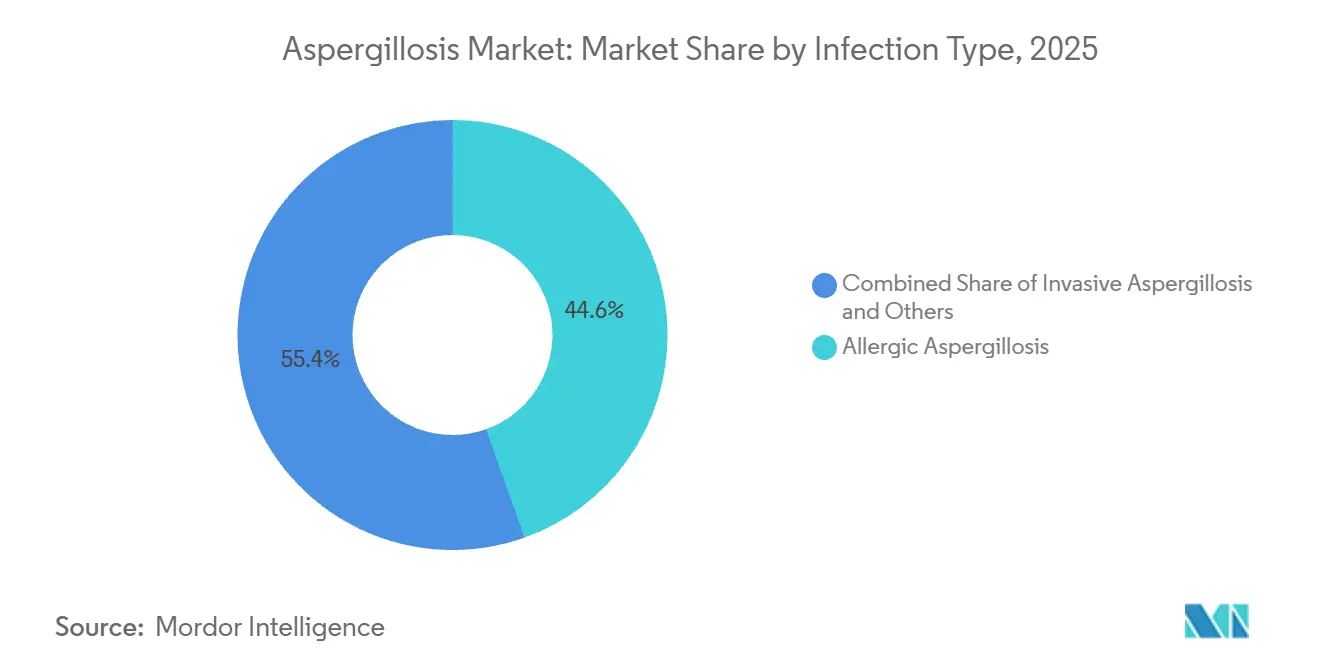
Invasive Aspergillosis Supports Therapy InnovationAllergic aspergillosis held 44.6% of the aspergillosis market size in 2025, reflecting the large group of patients with asthma and chronic obstructive pulmonary disease who experience fungal sensitization. These patients can require long courses of azole therapy, which supports recurring outpatient prescriptions. Invasive aspergillosis is forecast to grow at a 5.5% CAGR through 2031 and remains the setting where treatment protocols are changing most quickly. Allogeneic transplant recipients have a 9.96% pooled incidence of invasive fungal disease, a level that supports protocol-led demand for prevention and rescue therapy. The aspergillosis market is therefore shaped by both large, longer-duration allergic disease management and high-acuity invasive disease care.
Chronic pulmonary aspergillosis sits between these categories and is closely linked to past tuberculosis and chronic respiratory disease. A 2025 publication[3] described an estimated annual incidence of 1.84 million cases among patients with a history of tuberculosis, although chronic obstructive pulmonary disease and sarcoidosis further broaden the patient pool. Aspergilloma, cutaneous disease, and Aspergillus sinusitis represent smaller treatment groups, with care that often overlaps with chronic pulmonary regimens. A Phase 2 clinical study of rezafungin in chronic pulmonary aspergillosis patients with limited treatment options was initiated in 2026. This program indicates renewed interest in a disease type that can be difficult to diagnose and manage over long periods. Adherence to oral treatment remains an important practical issue where specialist follow-up is limited.

By Drug Class:
Echinocandins Gain a Larger Role in High-Acuity CareAzoles accounted for 58.6% of the aspergillosis market size in 2025 because voriconazole and isavuconazole remain established treatments for many patients. Their use is supported by established clinical practice and their suitability for oral prophylaxis or step-down therapy. Basilea reported USD 693 million in global in-market sales of Cresemba for the October 2024 through September 2025 period, with 27% year-on-year growth. Polyenes maintain a role in azole-intolerant or resistant cases, but renal toxicity can constrain broader use. This treatment pattern keeps the azole segment central to the aspergillosis industry while creating room for alternatives.
Echinocandins are forecast to grow at a 5.6% CAGR through 2031, supported by their use in combination regimens and by long-acting development programs. Mundipharma reported positive Phase 3 ReSPECT results for once-weekly rezafungin in April 2026. Fungal-free survival at Day 90 was 60.7% with rezafungin and 59.0% with standard antifungal regimens in allogeneic transplant recipients. The company planned regulatory submissions in the second half of 2026 and the third quarter of 2026. The World Health Organization has classified A. fumigatus as a critical-priority fungal pathogen, which supports continued institutional attention to access and antimicrobial stewardship. A broader evidence base for resistant disease may move echinocandins beyond their traditional candidiasis-focused position.
By Route of Administration:
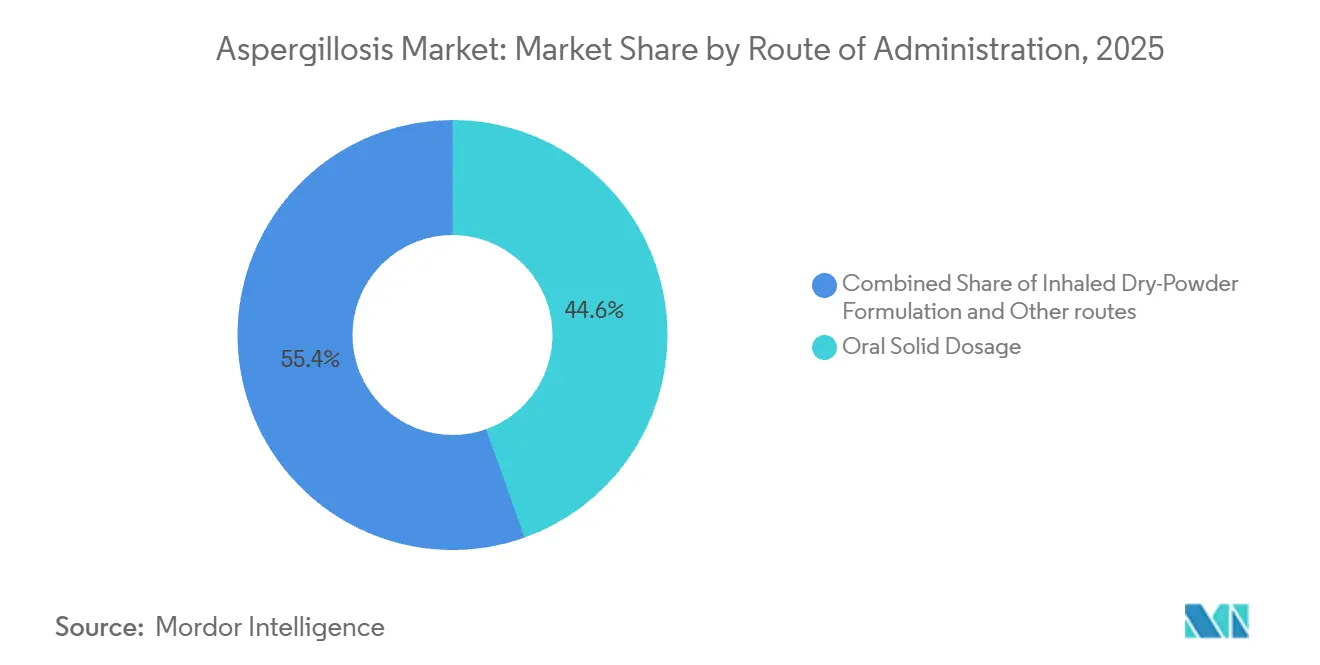
Inhaled Dry-Powder Formulations Form a Specialized NicheOral solid dosage held 53.3% share of the aspergillosis market in 2025 because long-term prophylaxis and chronic treatment often rely on oral azoles. Oral treatment supports outpatient management for allergic and chronic pulmonary disease. It can also enable step-down treatment after acute hospital care when patients can be closely monitored. Intravenous formulations remain essential for acute invasive infection, particularly when bioavailability and clinical stability are concerns. The established position of intravenous care is likely to continue in hospitals even as oral treatment options improve.
Inhaled dry-powder formulations are forecast to grow at a 5.7% CAGR through 2031, but this route remains an emerging and specialized part of the aspergillosis market. A 2025 report on an inhaled itraconazole study described substantially higher sputum exposure than oral itraconazole with low systemic exposure, which may reduce drug interaction concerns in transplant patients. Cipla and PULMATRiX advanced PUR1900, an inhaled itraconazole program for allergic bronchopulmonary aspergillosis, following a successful Phase 2 study. Pulmocide terminated its Opera-T Phase 3 study of inhaled opelconazole for refractory invasive pulmonary aspergillosis in January 2026 after an interim analysis showed unfavorable efficacy signals. These contrasting results show that pulmonary delivery may be more suitable for selected allergic disease applications than for severe invasive disease. Clinical evidence and regulatory review will determine whether the route becomes a broader treatment option.
By Distribution Channel:
Online Pharmacy Builds on Outpatient CareHospital pharmacies held 63.8% share of the aspergillosis market in 2025 because severe infection treatment often begins in institutions. Intravenous medicines, high-cost branded antifungals, transplant protocols, and specialist oversight reinforce hospital control over purchasing and dispensing. Hospital formularies also guide therapy for invasive disease and can influence which agents are available for rescue treatment. Retail pharmacies primarily serve patients receiving long-term oral therapy for chronic pulmonary or allergic disease. Their role is stable, but it remains more dependent on outpatient prescribing and reimbursement arrangements.
Online pharmacies are forecast to grow at a 5.4% CAGR through 2031 as telemedicine and electronic prescribing support access to long-term oral regimens. This channel is most relevant for patients who do not require ongoing inpatient care but still need specialist-directed treatment. Licensed digital pharmacies can reduce travel requirements for patients with chronic respiratory conditions. Prescription verification and pharmacist oversight remain important safeguards in the United States, Europe, and India. These requirements may favor larger licensed providers over smaller unregulated platforms. The channel is therefore a practical extension of outpatient care rather than a replacement for hospital-led management of invasive disease.
By Patient Category:
Transplant Patients Drive High-Complexity DemandRespiratory disease patients accounted for 48.6% of the aspergillosis market in 2025 because allergic disease and chronic obstructive pulmonary disease create a broad treatment population. A 2025 study[4] described Aspergillus sensitization in 12.9% of patients with chronic obstructive pulmonary disease. This group is often underdiagnosed, particularly where respiratory care and fungal testing are not integrated. Intensive care patients are also an important group because invasive pulmonary aspergillosis can occur during critical illness. A 2026 meta-analysis reported an incidence of 11.9% among critically ill populations included in its review.
Transplant patients are forecast to grow at a 5.3% CAGR through 2031 and account for a high level of spending per treated patient. Their treatment can include prolonged prophylaxis, diagnostic surveillance, and salvage therapy after breakthrough infection. A 2025 study reported invasive aspergillosis incidence of 10.3% in haploidentical transplantation and 6.9% in HLA-matched related donor transplantation. Haploidentical transplantation is expanding access for patients without matched donors, which makes this difference clinically relevant. The aspergillosis market may see concentrated demand for novel treatments in these high-risk populations. Intensive care and other patient categories add additional demand but do not have the same consistent protocol-driven need for prolonged prophylaxis.
Geography Analysis
North America Aspergillosis Market
North America held 42% of global revenue in 2025 and has substantial diagnostic, transplant, and reimbursement infrastructure. The United States contributes most regional revenue because hematology-oncology centers and transplant programs use premium antifungal treatments and specialized diagnostics. A national electronic health record study covering 2013 through 2023 found an annual 5% rise in aspergillosis prevalence in U.S. adults. This finding supports continuing demand after the acute COVID-19 period. Canada benefits from publicly funded transplantation, while Mexico has an underserved patient population with uneven access between private and public care.
Europe Aspergillosis Market
Europe is the second-largest regional setting in the aspergillosis market, led by Germany, the United Kingdom, France, Italy, and Spain. These countries combine established transplant activity with reimbursement systems that support specialist antifungal use. Resistance is a significant regional challenge because Belgium reported a 9.7% triazole resistance rate, and the Netherlands reported cyp51A mutations in 15.6% of isolates. This burden supports demand for susceptibility testing, combination regimens, and novel-mechanism therapies. Eastern European countries are expanding transplantation capacity from a lower base, which may increase treatment access over time.
APAC, MEA and South America Aspergillosis Market
Asia-Pacific is forecast to grow at a 5.8% CAGR through 2031, the fastest rate among geographic segments of the aspergillosis market. China has a significant invasive disease burden, while India, Indonesia, and the Philippines have many patients with tuberculosis-related lung damage. This creates a large chronic pulmonary aspergillosis treatment need that differs from the transplant-led demand in Western settings. South Korea, Japan, and Australia remain smaller but high-value markets with strong access to specialized care and growing transplantation programs. Middle East and Africa and South America have opportunities linked to new transplant centers and oncology capacity, but diagnosis gaps, specialist shortages, and limited formularies constrain treatment access. Growth in these regions will depend on diagnostic infrastructure and affordable access to oral and intravenous antifungal therapy.
Competitive Landscape
The aspergillosis market is moderately consolidated at the product level, with established branded and generic therapies competing across hospital and outpatient settings. Cresemba and generic voriconazole account for a substantial part of value-based prescribing, while Viatris, Sandoz, Teva, Hikma, Aurobindo, Cipla, and Glenmark compete in the generic tier. Large pharmaceutical companies use price, range of indications, and commercial reach to maintain access to formularies. Smaller developers are pursuing differentiated positions in azole-refractory invasive disease, transplant prophylaxis, and chronic pulmonary disease. The aspergillosis market has an unaddressed need in allergic bronchopulmonary aspergillosis because no inhaled antifungal has received approval for this use. Cipla and PULMATRiX have advanced PUR1900 as an inhaled itraconazole candidate that could address this clinical gap.
Technology is becoming a more important factor in competitive positioning. A 2025 publication described the development and validation of a next-generation sequencing-based clinical test to predict A. fumigatus antifungal susceptibility. Resistance profiling and advanced testing can help clinicians select treatment, which may increase use of therapies directed at resistant disease. Basilea entered a collaboration with Prokaryotics in January 2026 to develop a broad-spectrum antifungal candidate for severe invasive fungal infections. F2G and Shionogi reported positive Phase 3 data for olorofim in June 2026, creating a potential new oral option for invasive aspergillosis. The World Health Organization’s priority pathogen list also keeps attention on antifungal innovation and stewardship.
Competition is likely to remain balanced between established drugs with broad access and new treatments intended for unmet clinical needs. F2G plans to file olorofim with the U.S. Food and Drug Administration by the end of 2026 after its Phase 3 result. Mundipharma plans further regulatory submissions for rezafungin after the ReSPECT trial, seeking to extend its use in allogeneic transplant prophylaxis. Basilea is advancing fosmanogepix in Phase 3 for invasive mold infections, including aspergillosis. These programs focus on areas where resistance, renal safety, and difficult-to-treat disease limit current options. Available information does not provide combined market shares for leading companies. A concentration score cannot be assigned without a verified combined share for leading companies.
Aspergillosis Industry Leaders
-
Pfizer Inc.
-
Merck & Co., Inc.
-
Viatris Inc.
-
Teva Pharmaceutical Industries Ltd.
-
Cipla Limited
- *Disclaimer: Major Players sorted in no particular order
Aspergillosis Market Companies Covered in this Report
- Pfizer
- Merck
- Basilea Pharmaceutica
- Astellas Pharma
- Gilead Sciences
- F2G Ltd
- Pulmocide Ltd
- PULMATRiX, Inc.
- Viatris
- Sandoz Group AG
- Teva Pharmaceutical Industries
- Glenmark Pharmaceuticals
- Mayne Pharma
- Hikma Pharmaceuticals
- Aurobindo Pharma
- Cipla
- BDR Pharmaceuticals Internationals Pvt. Ltd.
- Cidara Therapeutics, Inc.
- Scynexis, Inc.
- Biosergen AS
- Thermo Fisher Scientific
- bioM�rieux SA
- IMMY
- Era Biology Technology Co., Ltd.
Recent Industry Developments in Aspergillosis Market
- July 2026: Basilea Pharmaceutica received USD 30 million in funding from BARDA to advance Phase 3 clinical development of fosmanogepix, adding to the USD 64 million BARDA commitment secured in 2025 for fosmanogepix and the preclinical candidate BAL2062, affirming strategic government interest in expanding the antifungal armamentarium
- June 2026: F2G and Shionogi announced positive Phase 3 OASIS trial results for oral olorofim in invasive aspergillosis, demonstrating non-inferiority versus intravenous liposomal amphotericin B in all-cause mortality at Day 42, 23.8% versus 24.3%, with a better renal safety profile
- April 2026: Mundipharma announced positive Phase 3 ReSPECT trial results for rezafungin, demonstrating non-inferiority in fungal-free survival at Day 90, 60.7% versus 59.0%, for prophylaxis of invasive fungal diseases in allogeneic hematopoietic stem cell transplant recipients
- January 2026: Basilea Pharmaceutica entered a collaboration with Prokaryotics Inc. to co-develop a broad-spectrum antifungal candidate for severe invasive fungal infections
Global Aspergillosis Market Report Scope
| Allergic Aspergillosis |
| Chronic Pulmonary Aspergillosis |
| Invasive Aspergillosis |
| Other Aspergillosis Types (e.g., Aspergilloma, Cutaneous Aspergillosis, Aspergillus Sinusitis) |
| Azoles |
| Polyenes |
| Echinocandins |
| Other Drug Classes |
| Oral Solid Dosage |
| Intravenous Formulation |
| Inhaled Dry-Powder Formulation |
| Other Routes |
| Hospital Pharmacy |
| Retail Pharmacy |
| Online Pharmacy |
| Transplant Patients |
| ICU & Critical-Care Patients |
| Respiratory Disease Patients |
| Other At-Risk Patients |
| North America | United States |
| Canada | |
| Mexico | |
| Europe | Germany |
| United Kingdom | |
| France | |
| Italy | |
| Spain | |
| Rest of Europe | |
| Asia-Pacific | China |
| Japan | |
| India | |
| South Korea | |
| Australia | |
| Rest of Asia-Pacific | |
| Middle East and Africa | GCC |
| South Africa | |
| Rest of Middle East and Africa | |
| South America | Brazil |
| Argentina | |
| Rest of South America |
| By Infection Type | Allergic Aspergillosis | |
| Chronic Pulmonary Aspergillosis | ||
| Invasive Aspergillosis | ||
| Other Aspergillosis Types (e.g., Aspergilloma, Cutaneous Aspergillosis, Aspergillus Sinusitis) | ||
| By Drug Class | Azoles | |
| Polyenes | ||
| Echinocandins | ||
| Other Drug Classes | ||
| By Route of Administration | Oral Solid Dosage | |
| Intravenous Formulation | ||
| Inhaled Dry-Powder Formulation | ||
| Other Routes | ||
| By Distribution Channel | Hospital Pharmacy | |
| Retail Pharmacy | ||
| Online Pharmacy | ||
| By Patient Category | Transplant Patients | |
| ICU & Critical-Care Patients | ||
| Respiratory Disease Patients | ||
| Other At-Risk Patients | ||
| By Geography | North America | United States |
| Canada | ||
| Mexico | ||
| Europe | Germany | |
| United Kingdom | ||
| France | ||
| Italy | ||
| Spain | ||
| Rest of Europe | ||
| Asia-Pacific | China | |
| Japan | ||
| India | ||
| South Korea | ||
| Australia | ||
| Rest of Asia-Pacific | ||
| Middle East and Africa | GCC | |
| South Africa | ||
| Rest of Middle East and Africa | ||
| South America | Brazil | |
| Argentina | ||
| Rest of South America | ||
Key Questions Answered in the Report
What is the expected growth rate for aspergillosis treatment demand?
The aspergillosis market is forecast to grow at a 5.1% CAGR from 2026 to 2031, rising from USD 6.91 billion in 2026 to USD 8.86 billion in 2031. Demand is linked to immunocompromised patients, chronic respiratory disease, transplantation, and the need for treatments that manage resistant infections safely.
Which aspergillosis type is growing fastest?
Invasive aspergillosis is forecast to grow at a 5.5% CAGR through 2031. Its treatment demand is closely connected to allogeneic transplantation, hematologic cancer care, intensive care units, and the need for protocol-based prophylaxis and rescue therapy.
Which drug class leads treatment spending?
Azoles held 58.6% share in 2025, reflecting their established role in oral treatment and prophylaxis. Echinocandins are forecast to grow at a 5.6% CAGR through 2031 as long-acting development and combination treatment evidence expand their relevance in high-acuity care.
Why is azole resistance important for treatment planning?
Resistance can reduce the reliability of first-line azoles and increase the need for susceptibility testing, combination therapy, and novel agents. It is especially relevant in Europe, where surveillance has identified substantial resistant isolate rates in the Netherlands and Belgium.
Which region is expected to expand fastest?
Asia-Pacific is forecast to grow at a 5.8% CAGR through 2031. Growth reflects chronic pulmonary aspergillosis associated with prior tuberculosis, expanding transplantation capacity, and improving access to specialized antifungal care in major regional markets.
What are the main new antifungal programs to watch?
Olorofim, fosmanogepix, rezafungin, and inhaled itraconazole programs represent important development activity across invasive, prophylactic, and allergic disease settings. Their progress matters because resistance, toxicity, and long treatment duration continue to limit current care choices for clinicians and patients.