
Acute Respiratory Distress Syndrome Treatment Market Size and Share
Market Overview
| Study Period | 2021 - 2032 |
|---|---|
| Market Size (2027) | USD 3.68 Billion |
| Market Size (2032) | USD 4.99 Billion |
| Growth Rate (2027 - 2032) | 6.28 % |
| Fastest Growing Market | Asia-Pacific |
| Largest Market | North America |
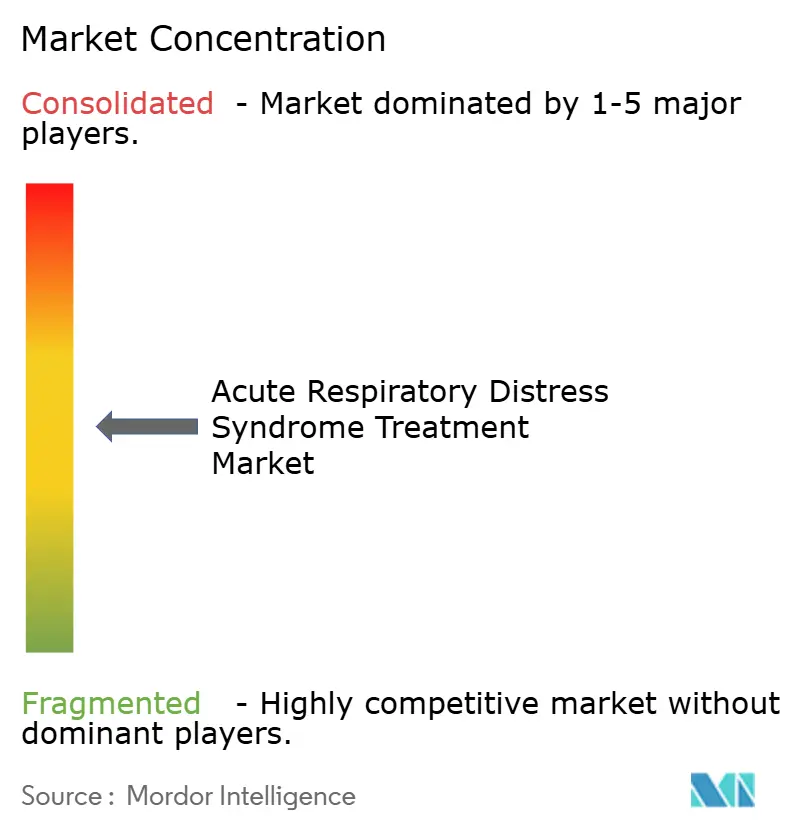
| Market Concentration | Medium |
Major Players *Disclaimer: Major Players sorted in no particular order Image © Mordor Intelligence. Reuse requires attribution under CC BY 4.0. | |
Acute Respiratory Distress Syndrome Treatment Market Analysis by Mordor Intelligence
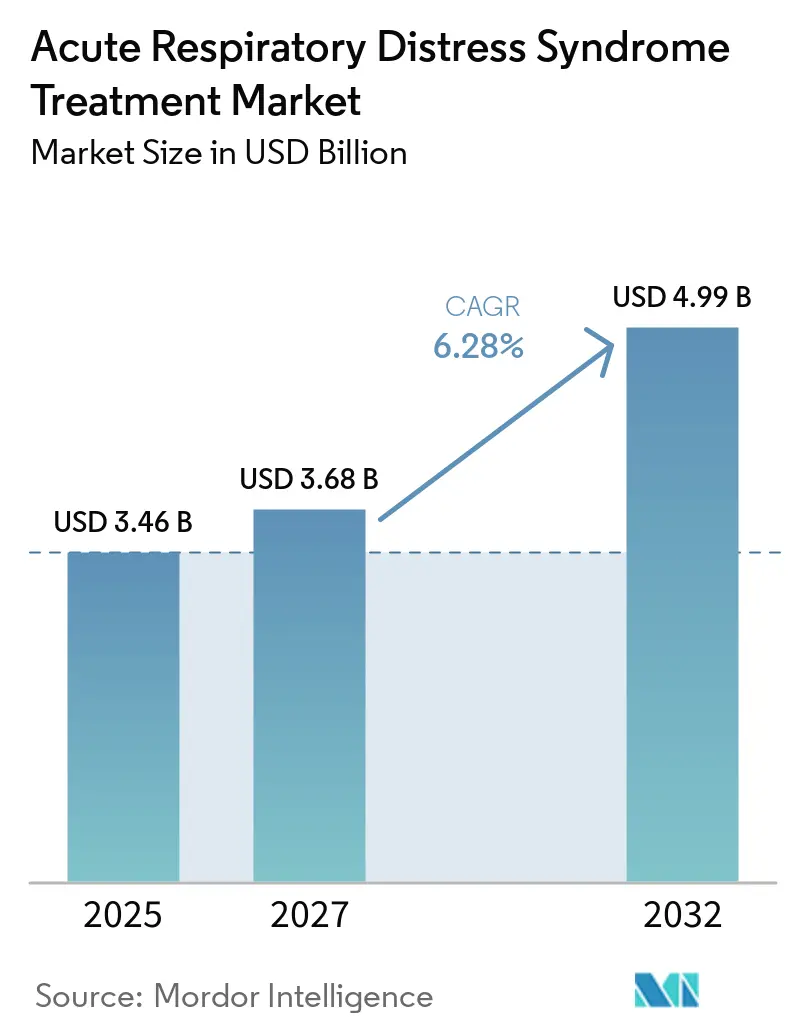
The Acute Respiratory Distress Syndrome Treatment Market size is expected to grow from USD 3.46 billion in 2026 to USD 3.68 billion in 2027 and is forecast to reach USD 4.99 billion by 2032 at 6.28% CAGR over 2027-2032.
Growth reflects climbing global sepsis and pneumonia cases, wider ICU digitization, and a robust pipeline of immunomodulators. Hospitals adopt AI driven ventilators and extracorporeal membrane oxygenation systems that shorten ventilation time and reduce complications. Asia Pacific expands fastest as China, Japan, and India raise ICU bed density while regional air-pollution levels amplify disease burden. Regulatory agencies in the United States and Europe signal openness to cell and gene therapies, which encourages venture investment and accelerates product launches. Competitive intensity rises as device makers and biotech firms pursue end-to-end platforms that blend early diagnosis with regenerative therapeutics, positioning the acute respiratory distress syndrome treatment market for sustained innovation.
Key Report Takeaways
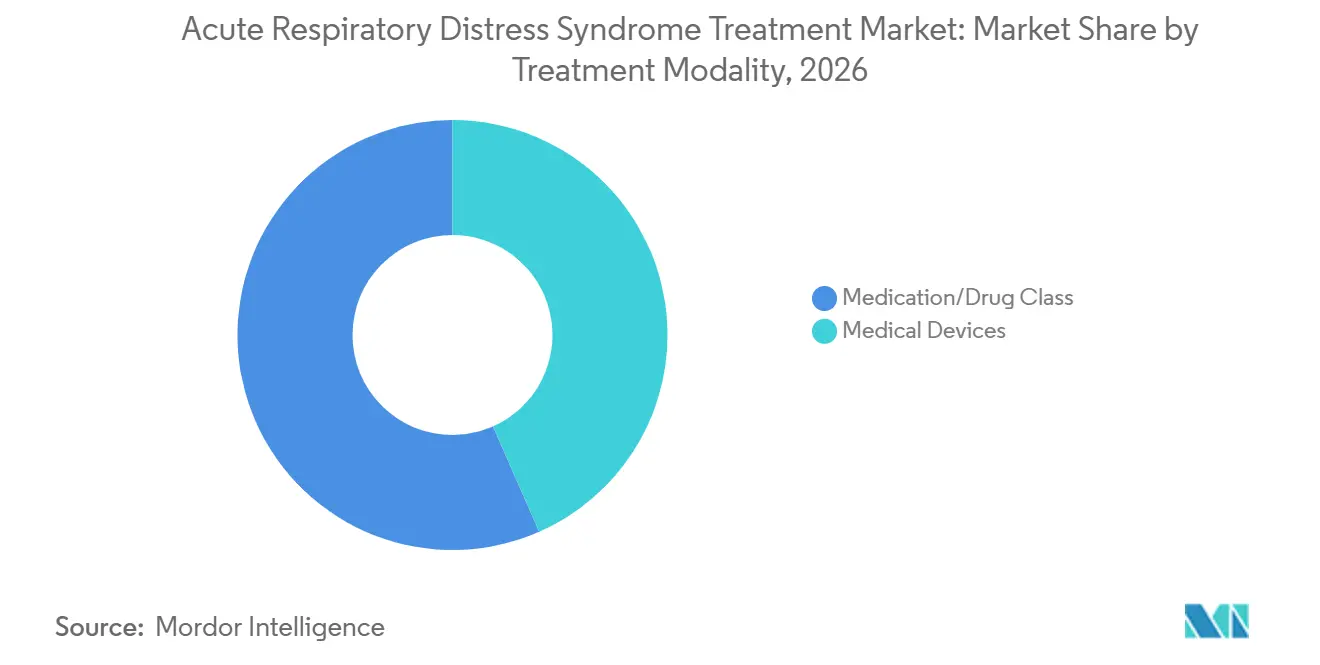
- By treatment modality, medication or drug class held 56.62% of the acute respiratory distress syndrome treatment market share in 2026, while medical devices posted the strongest 6.62% CAGR through 2032.
- By cause of lung injury, direct injury commanded 61.75% revenue in 2026; indirect injury is projected to grow at 6.83% CAGR to 2032.
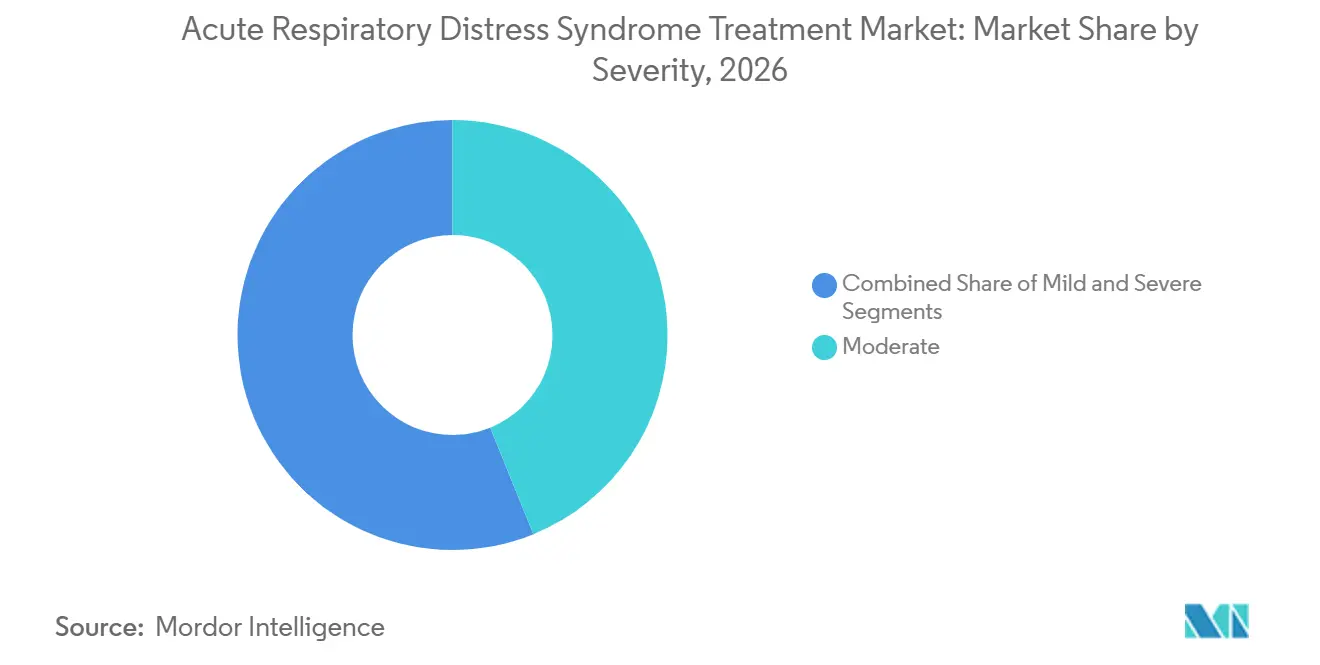
- By severity, moderate cases accounted for 43.85% share of the acute respiratory distress syndrome treatment market size in 2026; mild cases are set to expand at 7.32% CAGR through 2032.
- By end user, hospitals and intensive care units held 85.10% share in 2026, yet specialty clinics will climb at 7.04% CAGR during the forecast window.
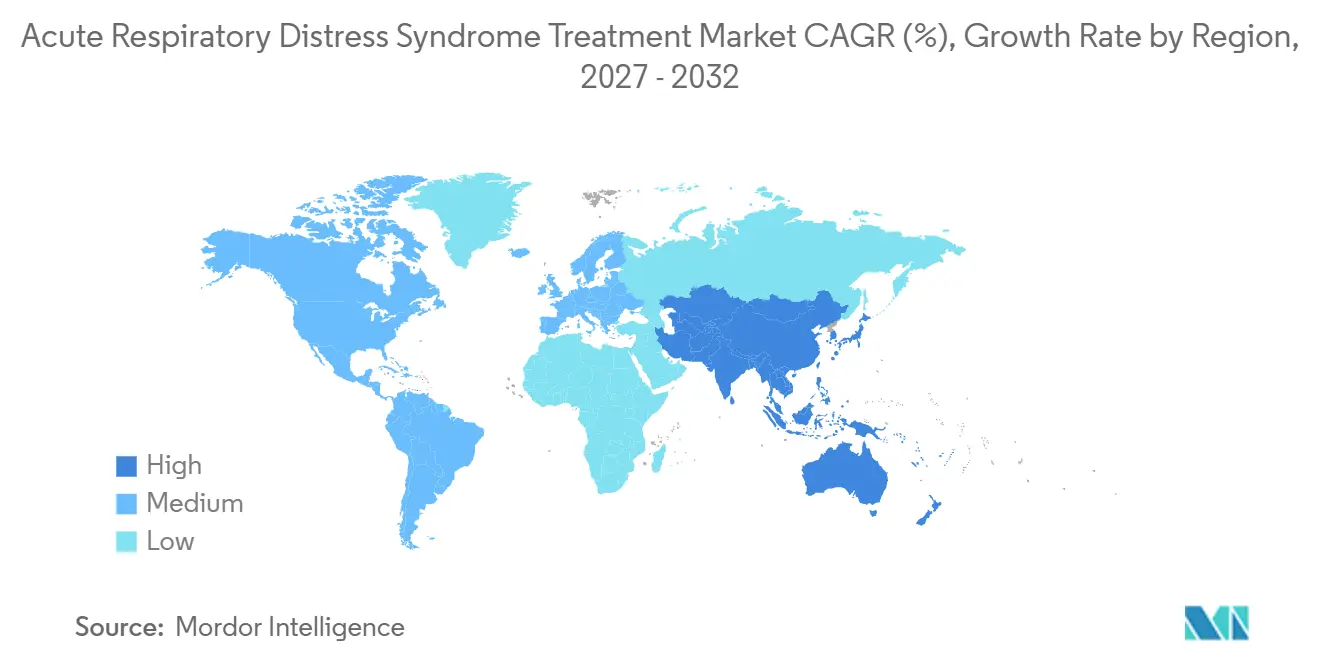
- By geography, North America led with 39.10% share in 2026; Asia Pacific will register the highest 8.44% CAGR through 2032.
Note: Market numbers in this report are based on Mordor Intelligence's proprietary estimation framework, which combines nine months of actuals with Q4 projections for base year 2026.
Market Trends and Insights
Drivers Impact Analysis of Acute Respiratory Distress Syndrome Treatment Market*
| Driver | (~) % Impact on CAGR Forecast | Geographic Relevance | Impact Timeline |
|---|---|---|---|
| Rising Global Incidence of Sepsis and Pneumonia as Leading Etiologies of ARDS | +1.2% | Global, with higher impact in Asia Pacific and MEA | Medium term (2-4 years) |
| High Prevalence of Tobacco Smoking, Urbanization, And Growing Levels of Pollution | +0.8% | APAC core, spill-over to MEA, urban centers globally | Long term (≥ 4 years) |
| Advancements in Early Diagnosis via Point-of-Care Ultrasound & Biomarker Panels | +1.1% | North America & EU, expanding to APAC | Short term (≤ 2 years) |
| Expanding Clinical Pipeline of Immunomodulators and Regenerative Therapies | +1.3% | Global, with regulatory leadership in US and EU | Medium term (2-4 years) |
| Healthcare Digitization Enabling Real-Time ICU Data Analytics for Optimized ARDS Management | +0.9% | North America & EU, rapid adoption in China and Japan | Short term (≤ 2 years) |
| Increased Healthcare Spending and Strategic Partnerships and M&A Activities | +0.7% | Global, concentrated in developed markets | Medium term (2-4 years) |
| Source: Mordor Intelligence | |||
Rising Global Incidence of Sepsis and Pneumonia as Leading Etiologies of ARDS
Sepsis affects 1.7 million adults in the United States each year and drives about 40% of acute respiratory distress syndrome cases.[1] Ventilator associated pneumonia develops in up to 30% of ventilated patients, lengthening ICU stay by up to nine days and adding USD 24,410 in costs per person. AI powered early warning models can now predict sepsis events six hours before clinical signs appear, shifting care from reactive to preventive. These factors together enlarge the acute respiratory distress syndrome treatment market as hospitals invest in rapid diagnostics and advanced ventilation systems.
High Prevalence of Tobacco Smoking Urbanization and Growing Levels of Pollution
Fine particulate matter exposure contributed to 8.79 million premature deaths worldwide in 2024, many of which progressed to ARDS. Industrial hubs in China experience overlapping risks from urban pollution and high smoking rates, prompting the state to add respiratory-focused ICU beds in tier-2 and tier-3 cities. This environmental driver operates on extended timelines, as population exposure effects accumulate over decades, but the treatment market responds immediately as healthcare systems adapt to higher baseline respiratory morbidity rates across affected regions.
Advancements in Early Diagnosis via Point-of-Care Ultrasound and Biomarker Panels
Bedside ultrasound gives clinicians real time lung aeration maps within minutes, outperforming chest radiography delays. Biomarker assays for HMGB1 and key cytokines complement imaging and together reach 84% daytime prediction accuracy for ARDS onset. Early intervention lowers average ICU stay from 21 days to 8.2 days. Faster discharge and lower complication rates strengthen hospital economics and accelerate uptake of diagnostic platforms, enlarging the acute respiratory distress syndrome treatment market. Healthcare systems are rapidly adopting these technologies because they address the fundamental challenge of ARDS management: the narrow therapeutic window where interventions can prevent irreversible lung damage and associated mortality.
Expanding Clinical Pipeline of Immunomodulators and Regenerative Therapies
More than 900 active cell and gene therapy trials focused on respiratory conditions were registered in North America during 2024. Mesenchymal stem cell products show late-stage efficacy in modulating inflammatory cascades. The FDA expects 10-20 such approvals per year by 2025, signaling an accommodating stance that energizes investors. Capital inflows of USD 15.2 billion in 2024 toward these modalities underpin future launches that broaden the acute respiratory distress syndrome treatment market. The convergence of immunomodulatory approaches with regenerative medicine creates synergistic treatment possibilities that address both the inflammatory and tissue repair aspects of ARDS pathophysiology.
Restraints Impact Analysis of Acute Respiratory Distress Syndrome Treatment Market*
| Restraint | (~) % Impact on CAGR Forecast | Geographic Relevance | Impact Timeline |
|---|---|---|---|
| High Cost Burden of Prolonged ICU Stays and Advanced Respiratory Devices | -1.4% | Global, with higher impact in cost-sensitive markets | Medium term (2-4 years) |
| Risk of Ventilator-Associated Complications and Nosocomial Infections | -0.9% | Global, with higher rates in resource-limited settings | Short term (≤ 2 years) |
| Stringent Regulatory and Ethical Hurdles for Cell-Based & Gene Therapies | -0.8% | North America & EU regulatory jurisdictions | Long term (≥ 4 years) |
| Lack of Standardized Treatment Protocols and Complex Pathophysiology & Diagnosis | -0.6% | Global, with variations in clinical practice standards | Medium term (2-4 years) |
| Source: Mordor Intelligence | |||
High Cost Burden of Prolonged ICU Stays and Advanced Respiratory Devices
The economic burden of ARDS treatment creates significant market access barriers, with average ICU costs reaching USD 25,927 per bed per day and total treatment expenses for VAP patients averaging USD 544,467 compared to USD 207,416 for non-VAP patients.[2] Capital outlays for extracorporeal systems and specialized staff raise entry barriers in developing regions. Outcome-based reimbursement covers only one in five advanced therapy products in Europe, slowing adoption and tempering the growth of the acute respiratory distress syndrome treatment market.
Risk of Ventilator Associated Complications and Nosocomial Infections
Incidence ranges from 1.4-7 cases per 1,000 ventilator days in high-income countries to 16.1-89 in lower-income settings. Inappropriate empiric antibiotics exceed 30% in Pseudomonas infections, which elevates 28-day mortality. Hospitals invest in prevention bundles, yet variable compliance sustains complication rates that erode confidence and delay purchases of complex ventilatory devices, capping expansion of the acute respiratory distress syndrome treatment market. The economic burden of VAP prevention programs, while cost-effective long-term, requires upfront investments in staff training and monitoring systems that create implementation barriers in resource-limited settings.
*Our forecasts treat driver/restraint impacts as directional, not additive. The impact forecasts reflect baseline growth, mix effects, and variable interactions.
Acute Respiratory Distress Syndrome Treatment Market Segment Analysis
By Treatment Modality – Devices Drive Innovation Momentum
Medical devices record the fastest 6.62% CAGR even though medication retains 56.62% of the acute respiratory distress syndrome treatment market share. AI ventilators like the Hamilton C6 optimize tidal volume in real time, while Medtronic VitalFlow ECMO advances portable extracorporeal support. Surfactant formulations and inhaled nitric oxide devices complement drug regimens, illustrating convergence that diversifies the acute respiratory distress syndrome treatment market size.
Applications of vasoconstrictors, corticosteroids, and antibiotics remain essential, yet device-centric strategies lower sedative need. Synthetic surfactants resistant to phospholipase degradation progress through trials and may capture a future share of the acute respiratory distress syndrome treatment market. The convergence of pharmaceutical and device technologies creates integrated treatment platforms that optimize therapeutic outcomes while reducing complications associated with prolonged mechanical ventilation and ICU stays.

By Cause of Lung Injury – Indirect Pathways Accelerate
Direct injury situations, such as pneumonia and aspiration, captured 61.75% revenue in 2026, while indirect mechanisms, including sepsis, are forecast to register 6.83% CAGR. Sepsis-driven cytokine storms create systemic inflammation that necessitates immunomodulators, widening opportunities within the acute respiratory distress syndrome treatment market. The distinction between direct and indirect injury mechanisms influences therapeutic selection, as direct injury often responds better to surfactant replacement therapy, while indirect injury may benefit more from immunomodulatory interventions targeting systemic inflammation.
Pancreatitis, burns, and general trauma represent additional indirect injury mechanisms that contribute to ARDS development through complex inflammatory cascades involving complement activation, neutrophil recruitment, and cytokine release. The growing understanding of these pathways drives pharmaceutical development toward targeted therapies that interrupt specific inflammatory mediators rather than broad-spectrum approaches. Biomarker-guided protocols help clinicians tailor therapy to injury type, improving efficacy and reducing ventilation days, which lifts the overall acute respiratory distress syndrome treatment market size.
By Severity – Mild Cases Expand Detection Scope
Moderate cases still hold the largest 43.85% share. Wider adoption of point-of-care ultrasound identifies patients earlier, causing mild presentations to climb at 7.32% CAGR. Hospitals create intermediate respiratory units that combine high-flow nasal cannula with AI analytics, delaying or avoiding intubation. Early-stage management generates incremental device and service spending that pushes the acute respiratory distress syndrome treatment market higher.
The severity classification system directly influences treatment algorithms and resource allocation decisions, with mild cases increasingly managed through specialized respiratory care units rather than traditional ICUs. Machine learning algorithms now predict ARDS progression with 91% accuracy for detecting patients and 92% accuracy for identifying those requiring isolation, enabling proactive intervention before clinical deterioration. Healthcare systems adapt their capacity planning to accommodate the growing population of mild ARDS patients who benefit from early intervention, creating demand for intermediate care facilities and specialized monitoring technologies that bridge the gap between general medical wards and intensive care units.
By End User – Specialty Clinics Emerge
Hospitals and ICUs dominate with 85.10% share, yet specialty clinics grow 7.04% CAGR owing to outpatient rehabilitation and telemedicine. Wearable spirometry and mobile biomarker apps allow clinicians to track lung recovery remotely. This long tail of care extends revenue capture beyond acute episodes, reinforcing momentum across the acute respiratory distress syndrome treatment market.
The expansion of specialty clinics addresses the growing population of ARDS survivors who experience persistent respiratory symptoms and reduced quality of life following hospital discharge. These facilities provide specialized services, including pulmonary rehabilitation, cognitive therapy, and coordinated care management that optimize long-term outcomes while reducing healthcare costs through prevention of readmissions. Other end users include rehabilitation centers and home healthcare providers who serve patients transitioning from acute care to community-based recovery programs.
Geography Analysis
North America Acute Respiratory Distress Syndrome Treatment Market
North America leads with 39.10% market share supported by extensive ICU infrastructure, reimbursement pathways, and over 900 active gene therapy trials. United States hospitals deploy AI predictive modules that reduce ICU delirium and streamline staffing. Canada and Mexico modernize critical care services through cross border research and device sourcing, which expands regional acute respiratory distress syndrome treatment market size.
APAC Acute Respiratory Distress Syndrome Treatment Market
Asia Pacific is the fastest growing zone with 8.44% CAGR as China channels large scale pollution-related morbidity into policy backed ICU expansion. Japan emphasizes mortality reduction via advanced monitoring that fosters early intervention benefits, while India balances cost and reach through scalable high flow systems. Collective momentum positions the region to claim larger slices of the acute respiratory distress syndrome treatment market.
EMEA and South America Acute Respiratory Distress Syndrome Treatment Market
Europe maintains steady gains through regulatory harmonization under the Advanced Therapy Medical Products framework. Reimbursement remains tight with only one fifth of approved advanced therapies receiving public funding, yet joint accreditation strengthens quality standards that support cross border patient access. Middle East and Africa plus South America remain emerging but strategic initiatives to raise critical care capacity and adopt AI monitoring promise gradual inclusion in the global acute respiratory distress syndrome treatment market.
Regulatory Landscape
Regulation covers medicines, advanced therapies, and ICU devices, and it shapes expectations on the clinical evidence needed for access and the time required to reach patients. In Europe, the European Medicines Agency (EMA) updated its Guideline on clinical investigation of medicinal products for ARDS (EMA/58320/2025 rev. 2), effective 01/06/2026, giving sponsors clearer trial-design and endpoint considerations for this heterogeneous ICU population. The European Commission also granted marketing authorization under exceptional circumstances in January 2025 for GOHIBIC (vilobelimab) for SARS-CoV-2-induced ARDS, indicating continued use of conditional-style mechanisms where benefit-risk is supported in high-mortality settings.
In parallel, incentives and accelerated routes remain visible for severe or rare respiratory indications. The EU orphan-designation system continues to be used for ARDS-relevant candidates (e.g., EU/3/26/3200 dated 23/02/2026), and the United Kingdoms MHRA Promising Innovative Medicines (PIM) designation has been applied to ARDS-focused innovation such as Faron Pharmaceuticals Traumakine, supporting earlier regulator interaction. In the United States, FDA engagement on protocol alignment for ARDS studies, including FDAs acceptance of protocol design for a Traumakine trial, highlights how up-front agreement on ICU-relevant endpoints, safety follow-up, and feasibility in ventilated patients can affect development execution.
Value Chain Analysis
The ARDS treatment value chain begins with discovery and clinical development for immunomodulators and regenerative therapies, alongside engineering and validation for respiratory support and monitoring devices. For drug-led approaches, work typically moves from biomarker and mechanism studies through GMP manufacturing and cold-chain logistics where applicable, then into hospital formulary decisions shaped by ICU outcome evidence and reimbursement rules. For devices, the chain covers component sourcing, software development and cybersecurity controls for connected ICU platforms, regulatory clearance, and hospital procurement processes that weigh uptime, service coverage, and staff training.
Delivery is concentrated in hospitals and intensive care units, where bundled purchasing and platform integration drive vendor selection. Cross-vendor interoperability functions as a practical differentiator: Medtronic expanded a multiyear global strategic alliance with GE HealthCare (announced 03/03/2026) to accelerate integrated clinical solutions, and Medtronic and Philips maintain a multi-year partnership to integrate Medtronic monitoring technologies into Philips patient monitoring solutions (announced 02/07/2025). These alliances tighten the link between monitoring, ventilation workflows, and analytics, while integrated parameters and service contracts across ICU fleets raise switching costs.
Competitive Landscape
The market exhibits moderate fragmentation. Medtronic, GE Healthcare, and Philips anchor mechanical ventilation while Hamilton Medical pioneers adaptive feedback. Faron Pharmaceuticals, Mesoblast, and Athersys fuel the immunomodulator pipeline. Partnerships proliferate, typified by Roche and Poseida Therapeutics aligning cell therapies with respiratory indications. Device makers collaborate with software firms to fuse ventilator metrics with cloud analytics, creating holistic platforms that lock in hospitals and enlarge switching costs within the acute respiratory distress syndrome treatment market.
Product differentiation centers on predictive algorithms, ease of use, and outcome evidence. Inhaled nitric oxide specialist VERO Biotech fills a niche for targeted vasodilation, while ALung Technologies pursues artificial lung devices that cater to bridge-to-transplant scenarios. Companies able to pair real world data with economic models succeed in value based purchasing discussions, sharpening the competitive edge across the acute respiratory distress syndrome treatment market.
White space remains in personalized medicine that aligns therapy with molecular phenotype. Firms integrating biomarker suites into ventilator dashboards could unlock new reimbursement codes, adding recurring revenue to the acute respiratory distress syndrome treatment industry.
Acute Respiratory Distress Syndrome Treatment Industry Leaders
-
Faron Pharmaceuticals
-
BioMarck Pharmaceuticals
-
Medtronic plc
-
Koninklijke Philips N.V.
-
GE Healthcare
- *Disclaimer: Major Players sorted in no particular order
Acute Respiratory Distress Syndrome Treatment Market Companies Covered in this Report
- Faron Pharmaceuticals
- BioMarck Pharmaceuticals
- GE Healthcare
- Hamilton Medical
- Medtronic
- Koninklijke Philips
- Fisher & Paykel Healthcare
- Dragerwerk
- Athersys
- ALung Technologies Inc. (LivaNova)
- VERO Biotech
- Mesoblast Ltd.
- Gilead Sciences
- Windtree Therapeutics
- Aqualung Therapeutics
Market Opportunities and Future Outlook
A notable opportunity sits at the intersection of ventilation strategy, monitoring, and analytics, as hospitals standardize integrated ICU platforms rather than purchasing devices as standalone assets. The March 2026 expansion of Medtronics alliance with GE HealthCare, along with the ongoing Medtronic-Philips monitoring partnership, points to vendor investment in interoperability, data integration, and workflow alignment that can support ARDS protocols, including integrating pulse oximetry, capnography, and brain/oxygenation monitoring signals into enterprise monitoring environments. For suppliers, this creates whitespace in software-enabled decision support that converts continuous physiologic signals into actionable ARDS settings, such as lung-protective ventilation guidance and alarm burden reduction, plus services that help hospitals implement these systems across multi-site ICU networks.
Another opportunity area is clinical differentiation for novel ventilation modalities and advanced therapeutics under clearer regulatory guidance. The EMA clinical investigation guideline effective 01/06/2026 offers a more explicit framework for ARDS drug development, while clinical research continues around alternative ventilation approaches, including continuous-flow ventilation technologies such as VENTIJET studied in moderate ARDS (published 03/04/2026). On the therapeutics side, Europe has a relevant precedent for time-sensitive access mechanisms in ARDS, including the European Commissions January 2025 authorization under exceptional circumstances for GOHIBIC (vilobelimab) in SARS-CoV-2-induced ARDS, reinforcing a pathway for targeted immunomodulation when clinical benefit is demonstrated in high-need ICU cohorts.
Recent Industry Developments in Acute Respiratory Distress Syndrome Treatment Market
- March 2026: Medtronic plc announced FDA approval for expanded indication for the OmniaSecure defibrillation lead (conduction system pacing). The update expands the use of a key cardiac device in critical care settings. This development could influence ICU monitoring and device adoption in the broader ARDS treatment landscape.
- June 2025: Medtronic plc announced a voluntary recall of select Newport HT70 and Newport HT70 Plus ventilators (Class I FDA designation). The action underscores regulatory emphasis on ventilation device safety and availability. Disruptions to ICU ventilation supply chains may affect hospital purchasing dynamics in ARDS management.
- July 2024: NuvOx Pharma announced Health Canada clearance for Phase II NanO2 trials targeting mild respiratory distress and ARDS. This clearance advances the ARDS treatment pipeline and validates clinical trial momentum in the space. The development influences competitive positioning and investment considerations in ARDS therapeutics.
Acute Respiratory Distress Syndrome Treatment Market Report Scope and Research Methodology
Market Definition and Coverage
This market covers revenues generated from diagnosing and treating acute respiratory distress syndrome (ARDS) across hospital and clinical care settings, including drug therapy and supportive respiratory care products that are used during an ARDS episode.
Scope exclusions: We exclude long-term COPD or asthma maintenance care that is not used specifically for ARDS management.
Segments Covered in This Report
- By Treatment Modality
- Medication/Drug Class
- Vasoconstrictors
- Bronchodilators
- Corticosteroids & Antibiotics
- Sedatives & Paralytics
- Surfactants
- Other Pharmacologics
- Medical Devices
- Mechanical Ventilators
- ECMO & Artificial Lung Systems
- Inhaled Nitric Oxide Delivery Systems
- Diagnostic & Monitoring Devices
- Other Devices
- Medication/Drug Class
- By Cause of Lung Injury
- Direct Injury
- Indirect Injury
- By Severity
- Mild
- Moderate
- Severe
- By End User
- Hospitals & Intensive Care Units
- Specialty Clinics
- Other End Users
- By Geography
- North America
- United States
- Canada
- Mexico
- Europe
- Germany
- United Kingdom
- France
- Italy
- Spain
- Rest of Europe
- Asia-Pacific
- China
- Japan
- India
- Australia
- South Korea
- Rest of Asia-Pacific
- Middle East and Africa
- GCC
- South Africa
- Rest of Middle East and Africa
- South America
- Brazil
- Argentina
- Rest of South America
- North America
Data Sources, Market Sizing, and Validation
Desk Research
Desk work was used to set the clinical and demand boundaries first, then to anchor the model with real-world activity indicators. We referenced public sources such as CDC respiratory surveillance, NIH and PubMed indexed clinical literature, WHO health statistics, and OECD health data to understand incidence drivers like pneumonia, sepsis, trauma, and ICU utilization.
After that, the treatment pathway was mapped using materials such as FDA public drug and device databases, clinical practice guidance from professional societies, and hospital outcomes publications that describe ventilation patterns and ARDS severity mix. We also reviewed company filings, investor presentations, and reputable press releases to understand therapy adoption, pipeline timing, and pricing direction, and a paid subscription for company financials, news, and patent lookups was used to cross-check product presence and activity signals. These examples are not exhaustive, and we used additional public and paid sources to collect data, validate assumptions, and clarify open questions related to ARDS episode care.
Primary Interviews and Surveys
Primary discussions were run with ICU clinicians, hospital procurement and pharmacy teams, respiratory therapists, and industry experts who track critical-care products. Respondent input was used to confirm what is actually used in ARDS episodes by severity, how quickly practice changes after new evidence, and how pricing and reimbursement behavior differs across major regions. This then helped us tighten assumptions that were unclear from desk findings.
Distribution of primary research fieldwork respondents
| Company type | Respondent position | Region |
|---|---|---|
| Top tier: 34% | CXOs: 14% | APAC: 44% |
| Mid tier: 47% | Functional/Unit leaders: 30% | EMEA: 36% |
| Smaller Players: 19% | Managers: 56% | Americas: 20% |
Market-Sizing & Forecasting
Sizing started from a top-down demand pool build using ARDS-relevant hospitalization and ICU care signals, then translated into treated-patient volumes by severity and typical treatment patterns. To keep the totals realistic, we corroborated results with selective bottom-up checks, such as sampled price per course for key drug classes, device utilization per ICU bed, and channel checks on procurement cycles, and then adjusted where the implied volumes did not match clinician feedback.
Key model inputs included ICU admission levels tied to pneumonia and sepsis trends, ARDS incidence rates reported in clinical literature, severity distribution (mild, moderate, severe) that changes ventilation intensity, average length of ICU stay, use rates of mechanical ventilation and adjunct respiratory support, and typical drug utilization patterns for sedation, neuromuscular blockade, and anti-infectives within ARDS protocols. When country-level series were missing, we filled gaps using proxy indicators like ICU bed density and hospital discharge rates, followed by rechecks with regional experts to avoid overstating smaller markets.
For forecasting, scenario analysis was applied around a core growth path, because ARDS demand can swing with outbreak cycles and shifts in ICU capacity. Assumptions on incidence, ICU throughput, and pricing progression were stress-tested with primary inputs so the forecast stayed traceable to changes in patient flow and care intensity, not just headline CAGR math.
Data Validation & Update Cycle
Outputs were checked in multiple steps, starting with internal consistency tests across treated cases, average use per patient, and implied spending per ICU stay. We also compared regional results against independent signals such as ICU capacity growth, respiratory infection burden, and major regulatory or guideline changes that can alter therapy use, and then anomalies were reviewed before sign-off.
Reports are refreshed annually, and interim updates are triggered when material events occur, such as major approvals, safety updates, or reimbursement changes that can quickly shift treatment mix. Before delivery, a final analyst pass is completed so clients receive the latest updated view based on the most recent public data and re-contacts where needed.
Mordor Intelligence's Acute Respiratory Distress Syndrome Treatment Market Size Versus Other Published Estimates
Published market values for ARDS treatment can vary a lot, even when the topic name looks similar, because each publisher draws the market boundary differently and applies different utilization and pricing assumptions. Differences also show up when one model is anchored to treated patient flow in ICUs and another is anchored to broader respiratory care spending.
ICU admission signals, ventilation utilization rates, and severity mix checks from clinician interviews are used to keep Mordor Intelligence's estimate tied to ARDS episodes that receive active hospital treatment, rather than counting adjacent respiratory conditions that only overlap clinically. The main gap drivers we usually see are whether device revenues are fully included or only partially captured, how supportive drugs are counted when they are not ARDS-specific, and whether currency conversion timing and refresh cadence reflect the latest guideline and adoption shifts.
Benchmark comparison
| Source | Market Size | Gaps in Research Methodology |
|---|---|---|
| Mordor Intelligence | USD 3.46 B (2026) | |
| Global Consultancy A | USD 3.50 B (2025) | Uses a different base year and a broader treatment taxonomy that can blend monitoring, diagnostics, and supportive oxygen categories, which can shift totals even before forecasting assumptions are applied. |
| Trade Journal B | USD 1.22 B (2028) | Reports incremental growth over a period rather than the market value in a single year, which can be misread as a market size and usually excludes parts of the care pathway that are not routed through specific channels. |
Looking across the three figures, the spread mainly comes from how each source treats the boundary between ARDS episode treatment and broader respiratory care, followed by base-year alignment and what is reported as market value versus growth over time. By keeping assumptions connected to treated ICU demand and rechecking implied spend per case, the model stays easy to follow and repeat with clearly stated inputs.
Key Questions Answered in the Report
What is the projected value of the acute respiratory distress syndrome treatment market in 2032?
The market is forecast to reach USD 4.99 billion by 2032 driven by steady 6.28% CAGR.
Which region will see the fastest revenue expansion?
Asia Pacific is expected to register an 8.44% CAGR because of ICU capacity growth and pollution linked disease burden.
Which segment adds the most revenue today?
Medication or drug class accounts for 56.62% of 2026 revenue while devices grow faster.
How are AI systems reshaping ARDS care workflows?
Predictive analytics identify deterioration up to 24 hours ahead, enabling timely ventilation adjustments and shorter ICU stays.
What limits adoption of cell and gene therapies in ARDS?
Prolonged regulatory review, high manufacturing costs, and post-approval follow up requirements slow commercialization.